

Apple
-
Tim Cook had an extraordinary run — and impeccable timing, both in terms of when he became CEO, and when he is stepping down.
-
Apple has survived 50 years by being the only company integrating hardware and software; if the company loses because of AI it will be because the point of integration changes.
-
Apple is well and truly a services company; hardware is necessary but insufficient for future growth.
-
For Apple, hitting middle age means a strategy primarily focused on monetizing its existing customers. It makes sense, but one wonders what happens next.
-
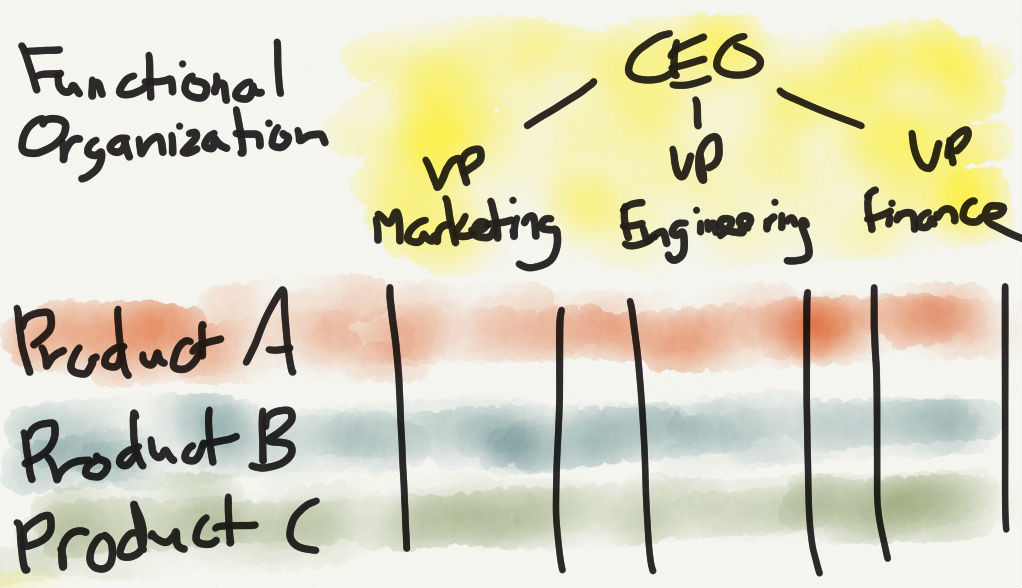
A core part of what makes Apple Apple is its organization structure; Tim Cook has said it will never change. However, if Apple is serious about being a services company, change it must.
-
Clayton Christensen continually predicts that Apple will be disrupted because his theory does not incorporate the importance of the user experience.


-
Casual Gaming is a Sustainable Business, but Not a Platform Differentiator
This series of posts is about enabling sustainable businesses on the App Store. In Part 1, I discuss why Paper and other productivity apps may not be doing as well as you might think. Part 2 explores why casual games, in contrast, are a sustainable business, but not a differentiator for platforms (I added a […]
-
Papering Over App Store Problems
This series of posts is about enabling sustainable businesses on the App Store. In Part 1, I discuss why Paper and other productivity apps may not be doing as well as you might think. Part 2 explores why casual games, in contrast, are a sustainable business, but not a differentiator for platforms (I added a […]
-
Strategy Credit
A strategy credit is the opposite of a strategy tax: it is when a hard decision for other companies is easy because of business model.
-
When Apple Moves Fast
In October 1999, Steve Jobs announced that the future of the Mac was video. In January 2001, Jobs laid out a new strategy: the Mac would be a digital hub, and their first focus would be music. In 15 months, the entire strategy shifted, and the company along with it. “I felt like a dope,” […]
-
Waze Winners and Losers
Google acquired Waze earlier this week for a reported $1.03 billion. This is an interesting deal for a few different reasons with a clear set of winners and losers. Big Winner: Waze This is an incredible exit for a company with only ~17 million active users and negligible revenues. Waze is a great product – […]
-
Tim Cook is a Great CEO
Perhaps my favorite Steve Jobs keynote moment was one of his last, at the iPad 2 introduction in March 2011. The last demo of the day, just before Jobs introduced the idea that Apple existed at the intersection of technology and liberal arts, was GarageBand for iPad. The demo was truly spectacular, and it clearly […]
-
The Jobs TV Does
This is Part 3 of a three-part series on what changes, if any, may be coming to TV TV, as I have recounted in the last two articles, is as firmly entrenched as an incumbent can be. The idea that you can cut the cord and simply watch the shows you currently want to watch […]
-
Adobe’s Subscription Model & Why Platform Owners Should Care
It’s difficult to overstate the significance of Adobe’s announcement that all of their products will be solely available through Creative Cloud. No longer can you buy packaged version of Photoshop, for example, that are yours forever. Instead you can subscribe to different individual apps or suites. What makes this so interesting is that while companies […]
-
Two Bears
There are two Apple bear cases; only one applies to Apple, though, and the other applies to Samsung.
-
Why Do Carriers Subsidize the iPhone?
Horace Dediu at Asymco used the data I compiled1 in “The Case for the Low-Cost iPhone” to further elucidate why carriers tolerate the iPhone’s industry-leading subsidies. The presumption behind smartphone usage is that it leads to more browsing which leads to more network usage which in turn, leads to more network revenues and, finally, more […]