

AI Chips
GPUs and other AI Chips
-
Google Cloud Next 2024 was Google’s most impressive assertion yet that it has the AI scale advantage and is determined to use it.
-
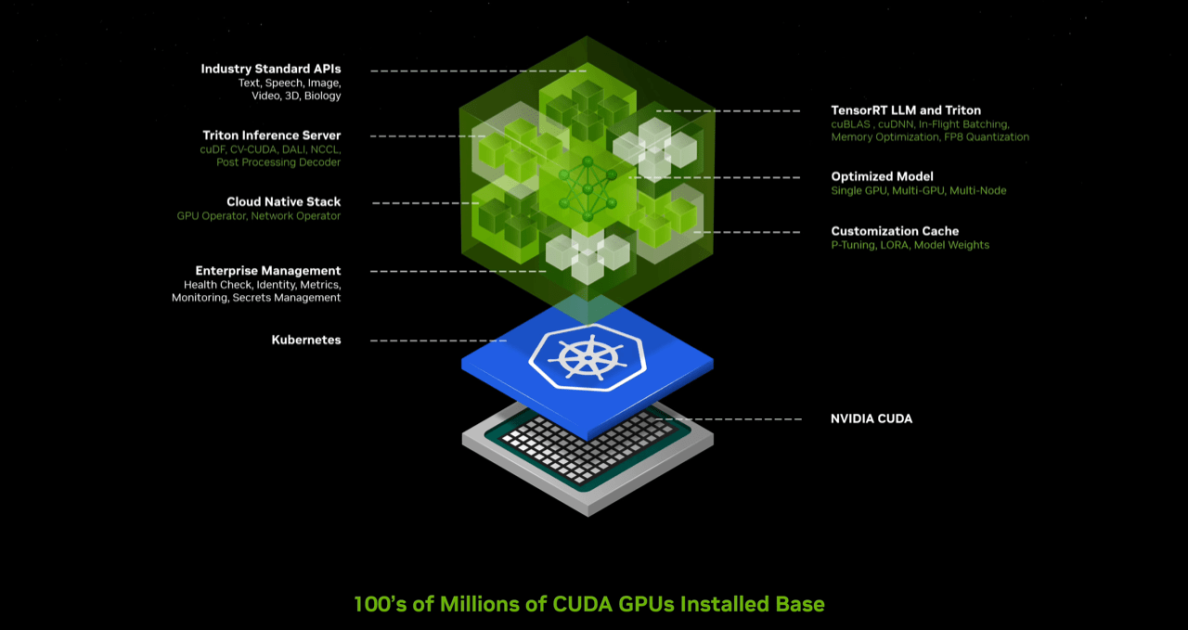
Nvidia’s GTC was an absolute spectacle; it was also a different kind of keynote than before ChatGPT, which is related to Nvidia’s need to dig a new kind of software moat.
-
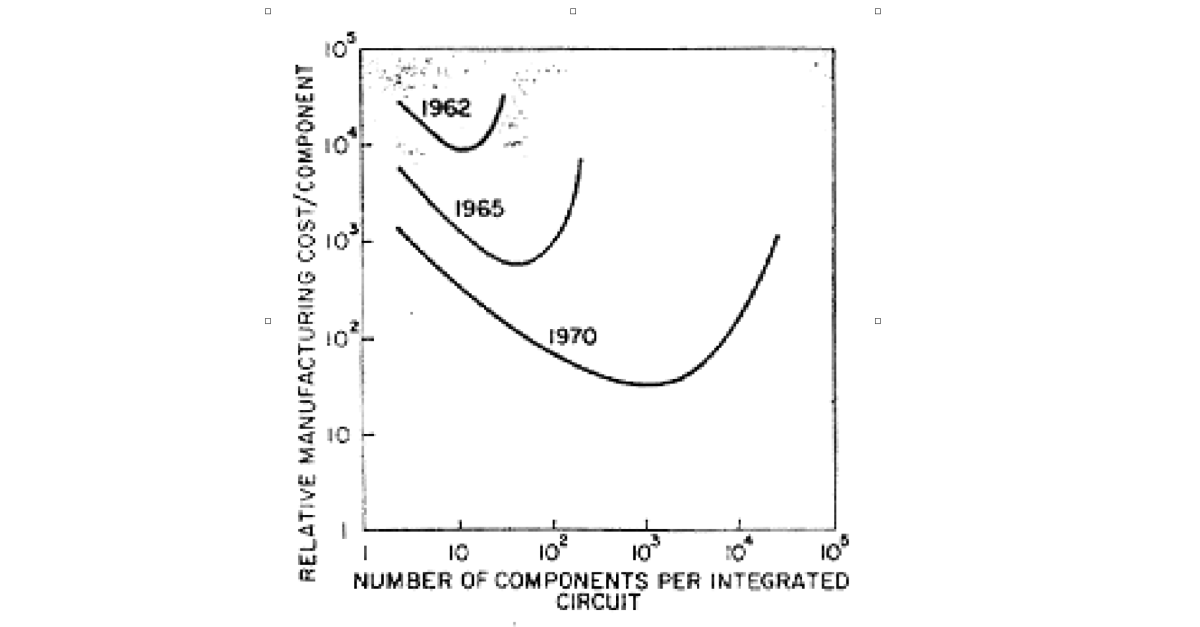
Moore’s Law is not yet dead, nor is Moore’s Precept, even if AI computes differently. Addressing both is the key to succeeding with the China chip ban.
-
Amazon Earnings, Trainium and Commodity Markets, Additional Amazon Notes
Amazon’s earnings suggest that the shift away from training towards inference and agents means their bet on Trainium is paying off. Plus, additional notes on ads, agents, and sports rights.
-
Intel Earnings, Intel’s Differentiation?, Whither Terafab
Intel’s earnings were very impressive, but the chief driver was a structural shift in demand for CPUs for AI. Plus, what is going on with Terafab?
-
An Interview with OpenAI CEO Sam Altman and AWS CEO Matt Garman About Bedrock Managed Agents
An interview with OpenAI CEO Sam Altman and AWS CEO Matt Garman about their new partnership, plus my thoughts on OpenAI and Microsoft’s new deal.
-
John Ternus and Apple’s Hardware-Defined Future, SpaceXAI and Cursor
The elevation of John Ternus suggests that Apple’s future is about hardware differentiation; then, the SpaceX-Cursor deal makes a lot of sense.
-
TSMC Earnings, New N3 Fabs, The Nvidia Ramp
TSMC’s earnings suggest that the company’s leadership is not truly bought into the AI growth story.
-
Anthropic’s New TPU Deal, Anthropic’s Computing Crunch, The Anthropic-Google Alliance
Anthropic needs compute, and Google has the most: it’s a natural partnership, particularly for Google.
-
Jensen Huang and Andy Grove, Groq LPUs and Vera CPUs, Hotel California
GTC 2026 marked an important inflection point for Nvidia, as the company is selling multiple architectures, instead of focusing on just one GPU. The motivation is serve all needs and keep all customers.