

History
To understand where technology is going, it is helpful to know where it has been.
-
The beginning of technology was about the shift from batched computing in one place to continuous computing everywhere. That era of paradigm changes may be over, which means the real changes are only beginning.
-
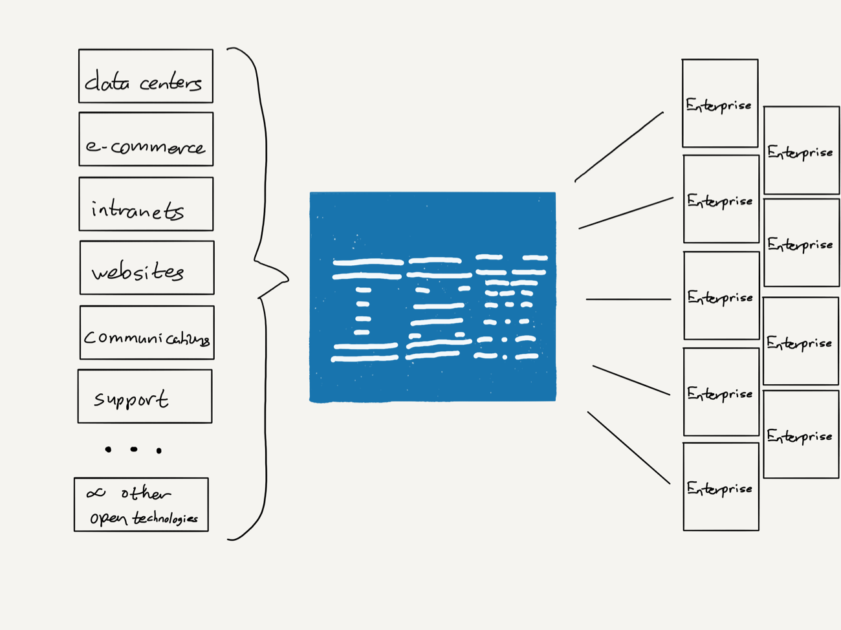
IBM has bought Red Hat in an attempt to recreate its success in the 90s; it’s not clear, though, that the company or the market is the same.
-
Venture Capital has been transformed by a surprising source: Amazon. Ultimately, no industry is safe from the impact of the Internet.

-
Apple’s 50 Years of Integration
Apple has survived 50 years by being the only company integrating hardware and software; if the company loses because of AI it will be because the point of integration changes.
-
An Interview with Nvidia CEO Jensen Huang About Accelerated Computing
An interview with Nvidia CEO Jensen Huang about his GTC 2026 keynote, navigating China and DC, and remembering Nvidia’s true nature.
-
An Interview with Bill Gurley About Runnin’ Down a Dream
An interview with long-time (retired) VC Bill Gurley about his new book about building a career you love, Uber, and the modern state of VC.
-
Thin Is In
Thick clients were the dominant form of device throughout the PC and mobile era; in an AI world, however, thin clients make much more sense.
-
Netflix and the Hollywood End Game
Netflix is driving the Hollywood end game, likely confident it can increase the value of IP, and fend off YouTube.
-
An Interview with Unity CEO Matthew Bromberg About Turnarounds
An interview with Unity CEO Matthew Bromberg about a career focused on turnarounds, from EA’s KOTR to Zynga and now to Unity.
-
An Interview with Substrate CEO James Proud About Building a Disruptive Foundry in America
An interview with Substrate CEO James Proud about X-ray lithography, disrupting TSMC, and betting on American innovation.
-
Paradigm Shifts and the Winner’s Curse
When paradigms change, previous winners have the hardest time adjusting; that is why AI might be a challenge for Apple and Amazon