

Making Money
Business models are the surest way to understand a company’s motivations.
-
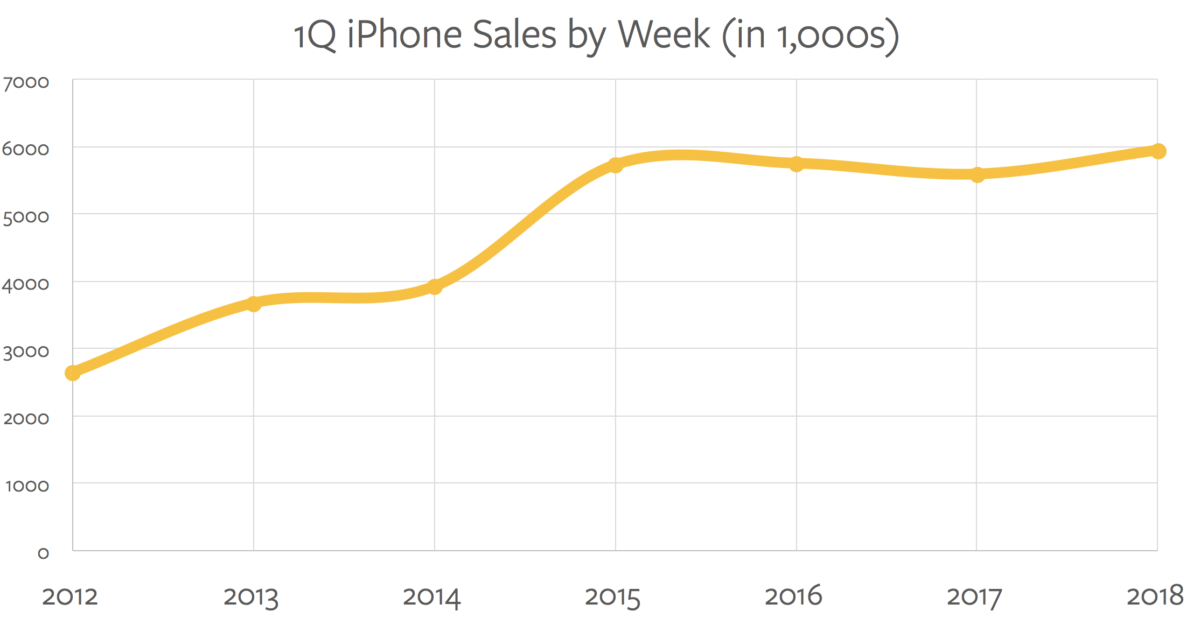
For Apple, hitting middle age means a strategy primarily focused on monetizing its existing customers. It makes sense, but one wonders what happens next.
-
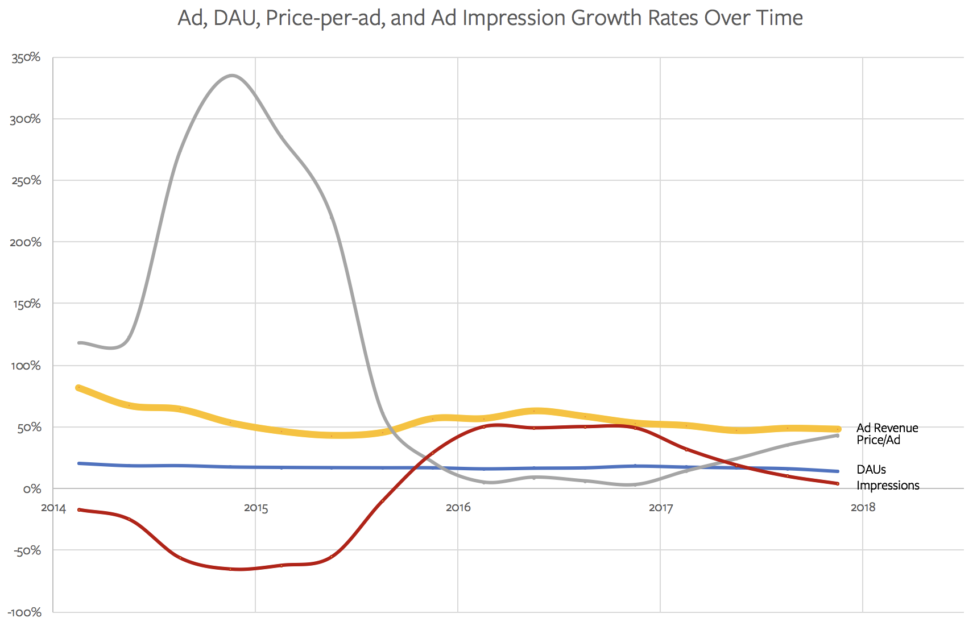
The impact of Facebook’s News Feed changes on the media is far less interesting than what the changes — and their stated purpose — say about Facebook itself.
-
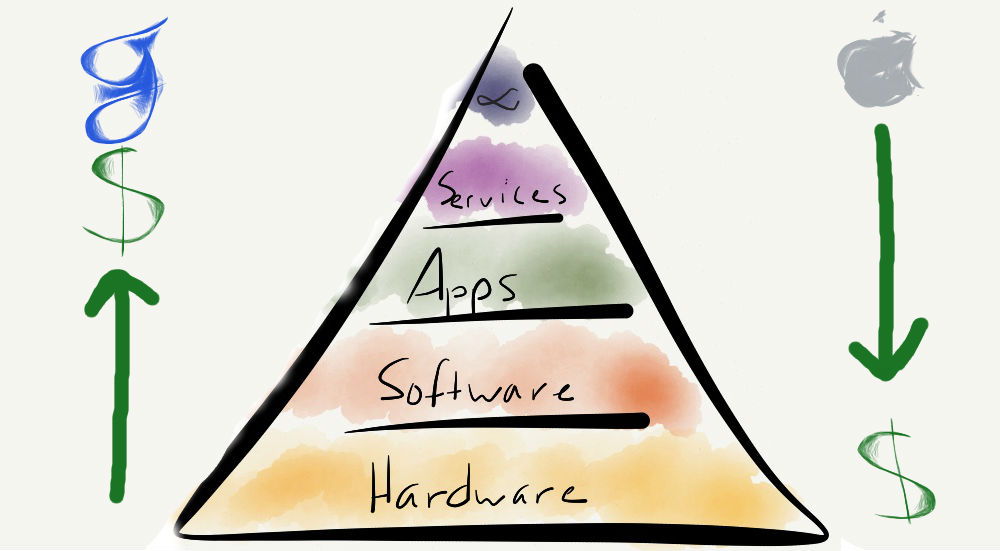
Google is at its best when its product focus follows its business model; for too long Android was a detour.
-
The Cost of Developers
Microsoft paid a lot for GitHub, because it had to pay directly for access to developers. It doesn’t have the leverage of users the way that Apple does on the App Store.
-
ZTE and Trump, Dropbox Earnings, Bloomberg’s Paywall
The ZTE saga takes a twist, Dropbox’s first earnings are solid, and Bloomberg shows how the rich get richer.
-
T-Mobile to Acquire Sprint, Microsoft Earnings
T-Mobile is acquiring Sprint. The deal makes a lot of sense, particularly in the context of 5G — will regulators look forward or backward? Then, Microsoft continues to own the CIO relationship.
-
Qualcomm, National Security, and Patents
The Trump administration blocked Broadcom’s acquisition of Qualcomm, and I think it was the right move. Understanding why means understanding Qualcomm and Broadcom’s plan for the company — and the problem with patents.
-
More Spotify; Spotify, Uber, and Airbnb; Uber, Waymo, and SoftBank
A bit more on Spotify, and then the lessons to be learned by Uber and Spotify. Plus, a potential Uber-Waymo partnership, and why they company will likely sell-out in Southeast Asia.
-
Dropbox’s Cost of Revenue, Cost of Revenue and Churn, Cloudy Dropbox
Dropbox’s falling cost of revenue has received a lot of attention, but absent more data, the trend appears unsustainable — just a company getting ready to go public.
-
More on Chrome and AMP, The Case Against Google, Decentralization and Paradigm Shifts
More on Chrome and AMP, and what The Case Against Google gets wrong about Microsoft. Then, why decentralized networks are aggregator kryptonite.
-
The Aggregator Paradox
Google is winning with AMP and blocking ads in Chrome: both seem bad, but aren’t they actually good for consumers? That is the paradox of aggregation.