

Chips
-
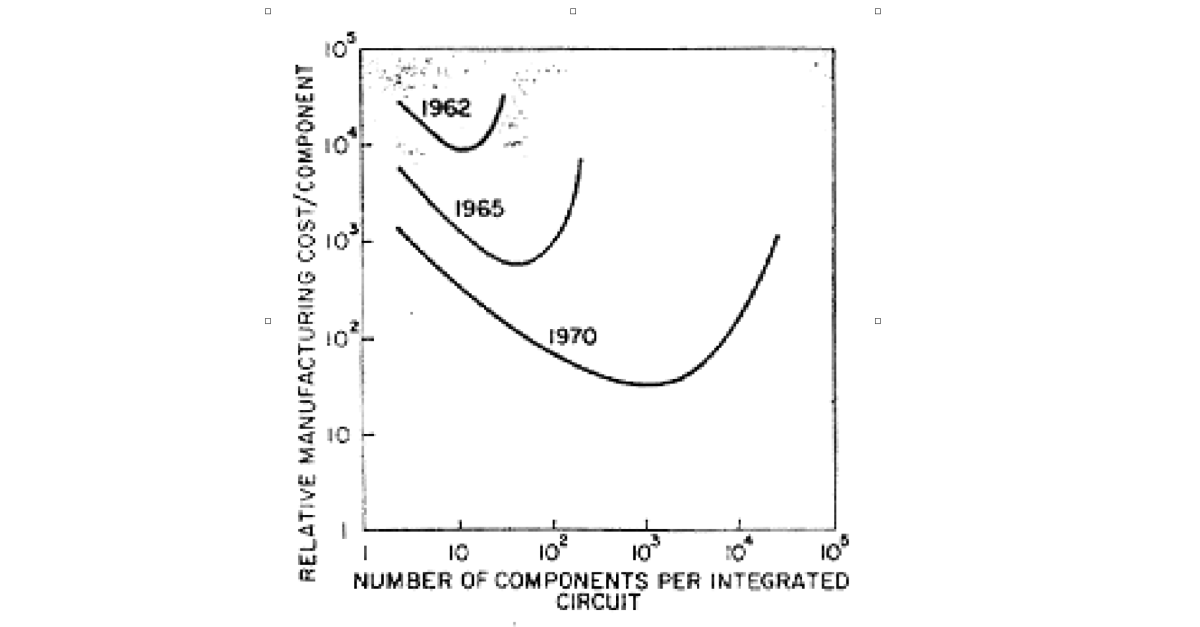
Moore’s Law is not yet dead, nor is Moore’s Precept, even if AI computes differently. Addressing both is the key to succeeding with the China chip ban.
-
Understanding the path the semiconductor industry took to today both shows where China needs to go and also explains why the risks for geopolitical conflict are higher than ever.
-
TSMC showed the power of modularization, and now they are core to the U.S. national security strategy.

-
AMD Acquires Xilinx, Microsoft’s Earnings, Teams Wins
AMD’s Xilinx acquisition makes sense, even if it’s a bit boring; Teams, meanwhile, is the clear winner of the cloud integration opportunity.
-
Nvidia’s Integration Dreams
Nvidia’s acquisition of ARM only makes sense from a financial perspective, unless you buy Jensen Huang’s datacenter dreams.
-
New Huawei Rules, What Now for Huawei, Apple’s Brand and China Inc.
New Huawei rules may kill not only the company’s handset business, but also its base station business. Why hasn’t China yet retaliated against Apple?
-
Qualcomm Wins on Appeal, The Opinion, Apple’s Foresight
Qualcomm won its appeal against the FTC; most of the opinion’s narrow arguments make sense, but look differently when considered holistically.
-
Intel’s New Delay, Intel’s Multiplying Delays, Intel and TSMC
Intel has announced a 7nm delay, after its 10nm debacle. How long will the company even pursue competition with TSMC and Samsung?
-
Apple’s New Reality; Apple’s Transition Strategy; Apple v. Developers, Continued
How Apple’s moat was built, the parallels to the Intel transition, and more developer tension.
-
Xscale and ARM in the Cloud, Hey Versus Apple, Apple’s IAP Campaign
Follow-up on Apple, ARM, and Intel, then unpacking the Hey dispute with Apple, and the possibility that Apple is doubling-down on Services by squeezing developers.