

Chips
-
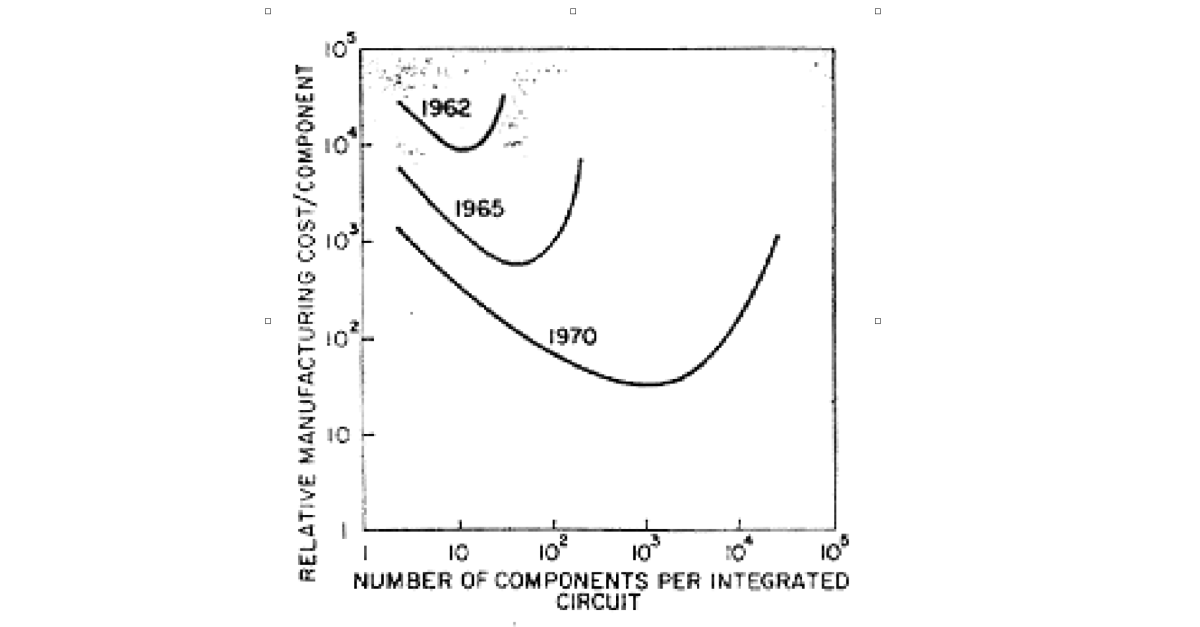
Moore’s Law is not yet dead, nor is Moore’s Precept, even if AI computes differently. Addressing both is the key to succeeding with the China chip ban.
-
Understanding the path the semiconductor industry took to today both shows where China needs to go and also explains why the risks for geopolitical conflict are higher than ever.
-
TSMC showed the power of modularization, and now they are core to the U.S. national security strategy.

-
Zoom Follow-Up, Twitter Unmasking Follow-up, TSMC and Huawei
More on Zoom and its critical moment, then follow-up on Unmasking Twitter, and a major story about TSMC and Huawei.
-
Google Buys Fitbit, Why Fitbit is a Good Idea, Why It Isn’t
First some important updates about Stratechery, then Google is seeking to acquire Fitbit. Why the acquisition makes sense, and why it doesn’t.
-
AMD Launches 7nm Chips, Sony Partners with Microsoft, Apple and AWS
AMD leapfrogs Intel thanks to modularity, Sony partners with Microsoft thanks to scale, and Apple balances both.
-
Apple App Store Follow-up, AWS ARM Servers, Intel’s Choice
More on Apple’s App Store monopoly, including why it’s different from Google and Steam, and far more egregious than other digital platforms. Then, Amazon announced ARM chips for AWS: what changed, and what does this mean for Intel.
-
Qualcomm Loses Preliminary Judgment; Qualcomm Earnings; More on Netflix and MVPDs
A federal judge rules against Qualcomm in a clear victory for Apple, just another area where Qualcomm is struggling. Then, why is Netflix allowing itself to be commoditized, at least a bit, by MVPDs?
-
China’s Alleged Hardware Hack, How the Attack (Allegedly) Happened, Believability and Implications
Bloomberg has published an explosive report alleging a hardware hack that has affected multiple companies, including Apple and Amazon; both deny it. What might have happened, who can be believed, and what might happen next?
-
Uber Follow-up; GlobalFoundries Abandons 7nm; Pricing Power, Differentiation, and Integration
Not all of Uber’s efforts are new, but the urgency is. Then, there are only three foundries pursuing 7nm, which means more pricing power (and how this applies to Uber and self-driving cars).
-
Intel and the Danger of Integration
Intel is in an increasingly bad position in part because it has been captive to its integrated model. Or, you could simply say they were disrupted.