

Chips
-
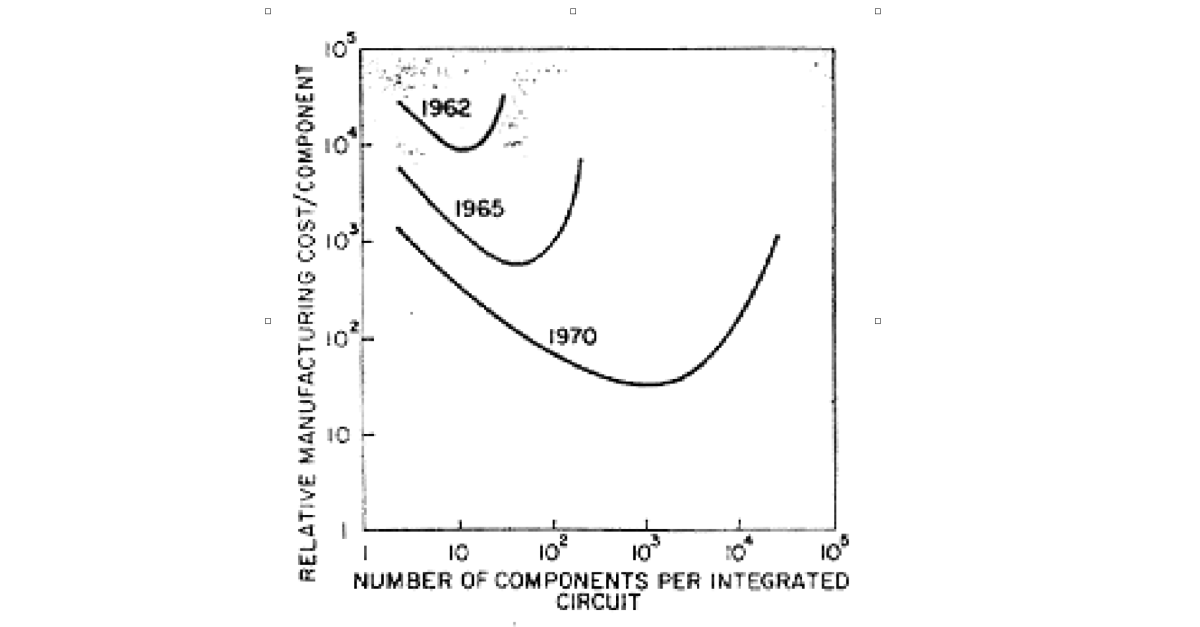
Moore’s Law is not yet dead, nor is Moore’s Precept, even if AI computes differently. Addressing both is the key to succeeding with the China chip ban.
-
Understanding the path the semiconductor industry took to today both shows where China needs to go and also explains why the risks for geopolitical conflict are higher than ever.
-
TSMC showed the power of modularization, and now they are core to the U.S. national security strategy.

-
An Interview with Google Cloud CEO Thomas Kurian About the Agentic Moment
An interview with Google Cloud CEO Thomas Kurian about Google’s cloud priorities, enterprise agent platform, and Google’s integration advantage.
-
TSMC Earnings, New N3 Fabs, The Nvidia Ramp
TSMC’s earnings suggest that the company’s leadership is not truly bought into the AI growth story.
-
Anthropic’s New TPU Deal, Anthropic’s Computing Crunch, The Anthropic-Google Alliance
Anthropic needs compute, and Google has the most: it’s a natural partnership, particularly for Google.
-
Jensen Huang and Andy Grove, Groq LPUs and Vera CPUs, Hotel California
GTC 2026 marked an important inflection point for Nvidia, as the company is selling multiple architectures, instead of focusing on just one GPU. The motivation is serve all needs and keep all customers.
-
An Interview with Nvidia CEO Jensen Huang About Accelerated Computing
An interview with Nvidia CEO Jensen Huang about his GTC 2026 keynote, navigating China and DC, and remembering Nvidia’s true nature.
-
MacBook Neo, The (Not-So) Thin MacBook, Apple and Memory
The MacBook Neo was built to be cheap; that it is still good is not only a testament to Apple Silicon, but also the fact that the most important software runs in the cloud.
-
Anthropic’s Skyrocketing Revenue, A Contract Compromise?, Nvidia Earnings
Anthropic’s enterprise business is reaching escape velocity, which increases the importance of finding a compromise with the government. Then, agents dramatically increase demand for Nvidia chips, even if they threaten software.
-
Thin Is In
Thick clients were the dominant form of device throughout the PC and mobile era; in an AI world, however, thin clients make much more sense.