-
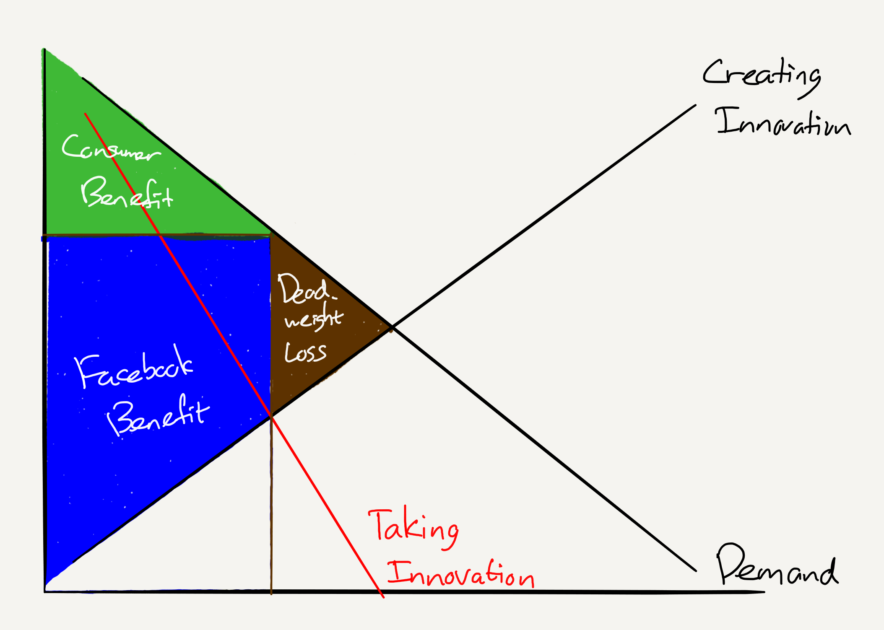
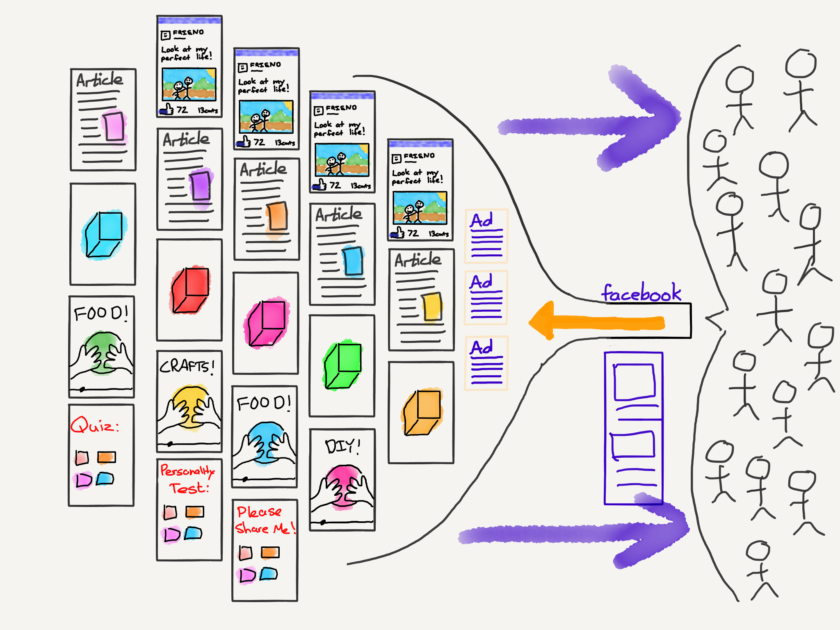
Facebook’s political problems stem directly from its size and drive for growth; they are societal issues, not antitrust ones.
-
Facebook is under pressure from all sides, but that actually means it has an opportunity to build the platform it has always wanted — in digital ads.
-
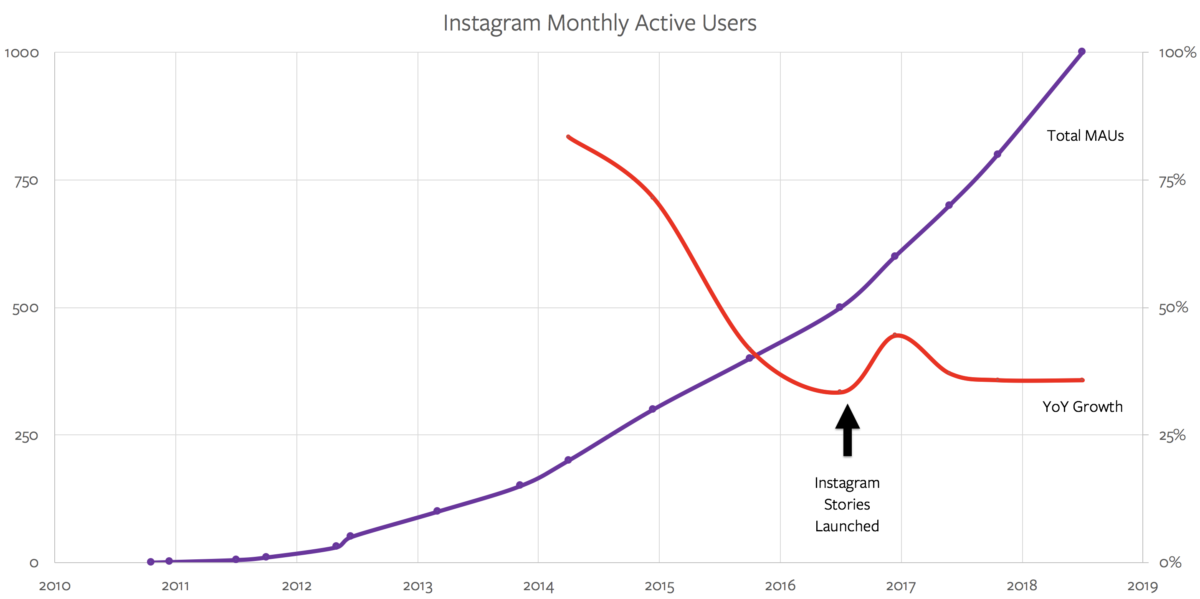
Snapchat is losing users, and it seems clear the biggest reason is Instagram Stories: that is a win for Facebook, but the pain in advertising may be substantial.
-
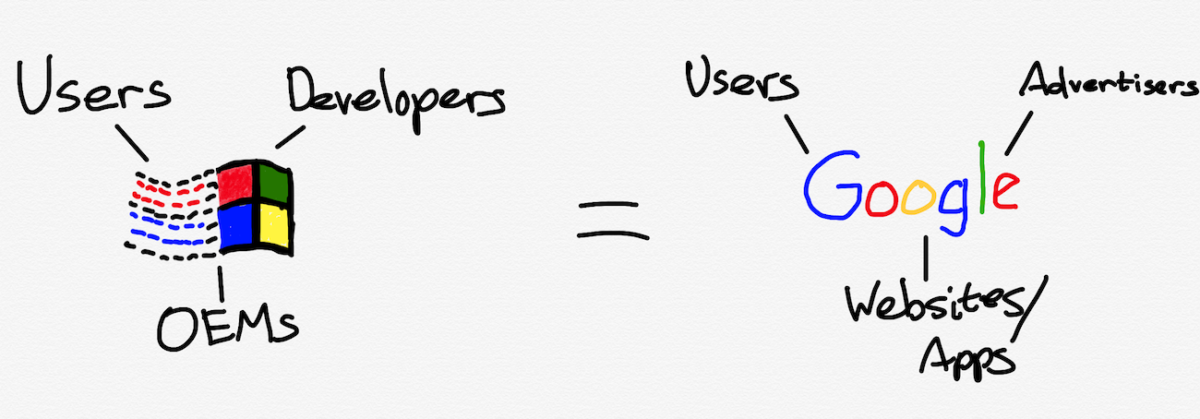
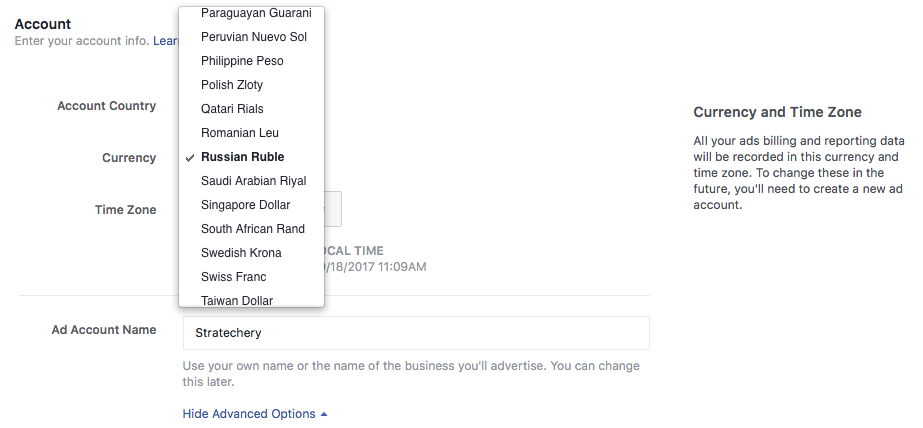
Facebook is in trouble — again — for Russian ads about the election; figuring out how to deal with them requires first understanding that Facebook, like Google, is a Super-Aggregator. It faces zero transaction costs…
-
Facebook gave one of the worst keynotes in a long time: there was no vision, just the adoption of Snap’s. It’s the inevitable outcome of a monopoly.
-
Facebook has long had too much power, but Mark Zuckerberg’s expressed willingness to use said power for political ends means it’s time to consider countermeasures.
-
Defining Aggregators
Building on Aggregation Theory, this provides a precise definition of the characteristics of aggregators, and a classification system based on suppliers. Plus, how to think about aggregator regulation.
-
Uber Loses London License (Pending Appeal), The Idea of Uber, Uber’s Existential Test
Uber is losing its London license, pending appeal: whether or not the company gets it back is a test of the company’s long-term viability. Plus, why Facebook has to realize that facts are not enough.
-
The GDPR and Facebook and Google, Intelligent Tracking Prevention, Data Portability and Social Graphs
The GDPR will hurt Google and Facebook; it will hurt their competitors far more, which means the position of the two biggest digital ad companies will actually be strengthened. Then, why data portability won’t help build the next social network.
-
The Super-Aggregators and the Russians
Facebook is in trouble — again — for Russian ads about the election; figuring out how to deal with them requires first understanding that Facebook, like Google, is a Super-Aggregator. It faces zero transaction costs in all parts of its business.
-
Amazon Studios Shifts Strategy, Spotify and Hulu, Facebook to Spend $1 Billion on Video
Amazon Studios is shifting its strategy, which rationalizes Prime Video; the big winner is Netflix. Then, Spotify makes a smart move with Hulu, while Facebook is resorting to brute force in video.
-
Amazon’s Second Headquarters, Amazon’s Internal Primitives, Facebook and Political Ads
Amazon is uniquely capable of having a second headquarters, and don’t be surprised if politics influences the choice of location. Then, Facebook should learn from Amazon about picking battles. Plus, a brief preview of Apple’s iPhone event.
-
The Platform Paradox, Voice Assistants Vulnerable?, Facebook and Russian Ads
Aggregators have value not only because they benefit consumers but also because they enable new businesses. Then, voice assistant vulnerability shows how focusing on the user experience can backfire; Facebook is arguably the best example.
-
Tencent Earnings, WeChat Advertising, The Potential of WhatsApp Status
Tencent’s earnings were good, but as opaque as always. Still, there are insights to be gleaned about advertising in particular, and what that says about Messenger and WhatsApp.
-
Microsoft/IBM Follow-Up, Facebook Earnings, Instagram Stories > Snapchat Stories
Follow-up on Microsoft and IBM, including why Steve Ballmer deserves more credit than I gave him. Then, Facebook’s earnings and the reluctance to admit to pricing power, and why Instagram Stories are more innovative than Snapchat Stories
-
Facebook Messenger Rolling Out Ads, Facebook’s Product Development Strategy, How Should Messenger Monetize?
Facebook Messenger is rolling out display ads that feel like a shortcut to monetization, a discouraging sign for both the short and long term.