-
Facebook’s political problems stem directly from its size and drive for growth; they are societal issues, not antitrust ones.
-
Facebook is under pressure from all sides, but that actually means it has an opportunity to build the platform it has always wanted — in digital ads.
-
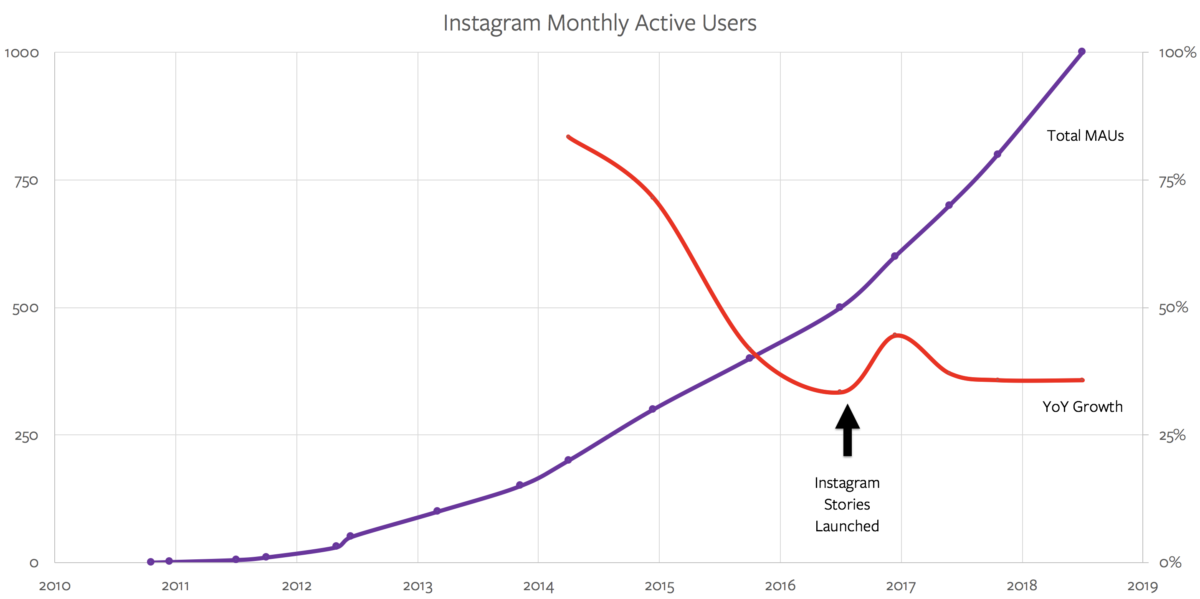
Snapchat is losing users, and it seems clear the biggest reason is Instagram Stories: that is a win for Facebook, but the pain in advertising may be substantial.
-
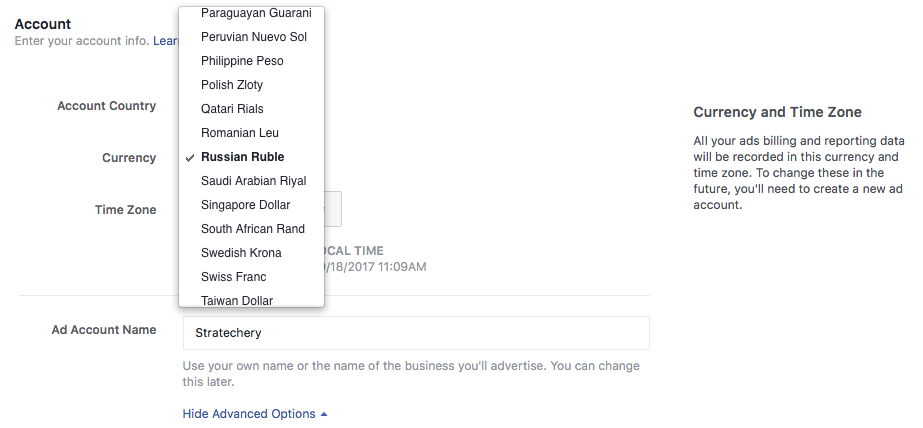
Facebook is in trouble — again — for Russian ads about the election; figuring out how to deal with them requires first understanding that Facebook, like Google, is a Super-Aggregator. It faces zero transaction costs…
-
Facebook gave one of the worst keynotes in a long time: there was no vision, just the adoption of Snap’s. It’s the inevitable outcome of a monopoly.
-
Facebook has long had too much power, but Mark Zuckerberg’s expressed willingness to use said power for political ends means it’s time to consider countermeasures.
-
Amazon Go and the Future
Amazon Go exemplifies how Amazon is building its monopoly in three ways: horizontally, vertically, and financially. Plus, why automation is worth being optimistic about.
-
Facebook Adds Reputation Scores, Facebook’s Solution, The Unintended Consequences
Facebook will assign reputation scores to news sources, and the solution is far better than most of the company’s critics would have you think. There are, though, unintended consequences.
-
Facebook’s Motivations
The impact of Facebook’s News Feed changes on the media is far less interesting than what the changes — and their stated purpose — say about Facebook itself.
-
An Interview With Facebook Vice-President of News Feed Adam Mosseri
An interview with Facebook Vice-President of News Feed Adam Mosseri about Facebook’s just-announced changes to the News Feed algorithm
-
Vulnerabilities, Philosophies, and Ad-Blockers; Intel’s Response; The Advantage of Serverless
Follow-up on Meltdown and Spectre, Intel’s obfuscation, and why serverless is better.
-
Facebook and Age Discrimination, Apple Slows Down iPhones?, 2017: When Tech Grew Up
Facebook is accused of abetting age discrimination, which raises many of 2017’s most prominent themes. So does the news that Apple slows down iPhones.
-
Snapchat’s Redesign, Spiegel’s New (Old) Vision, Tencent and Spotify
Snap has a more cogent vision than the one it presented in its S-1; the problem is it might be too late. Tencent, meanwhile, fresh off its Snap investment has picked up a piece of Spotify.
-
The Pollyannish Assumption and Bright Lines, YouTube’s Market Power, Google vs Amazon
Society collectively decides what is wrong through laws: that’s a useful bright line for platforms. Then, YouTube is demonstrating its market power, and Google and Amazon are acting like monopolies.
-
The Pollyannish Assumption
Moderating user-generated content is hard: it is easier, though, with a realistic understanding that the Internet reflects humanity — it is capable of both good and evil.
-
Popping the Publishing Bubble, Revisited; BuzzFeed’s Struggles; Axios’ Success
News from BuzzFeed in particular suggest the digital publishing bubble may be bursting. Axios, meanwhile, shows that subscriptions aren’t the only answer — but niche may be.