

Uber
-
Robotaxis are poised to further close the delta between suburbs and the city; the city (and Uber) might never recover.
-
Uber’s S-1 raises more questions than it answers
-
Uber has a new CEO, and the reason he is a great choice explain why the Uber job is still an attractive one.
-
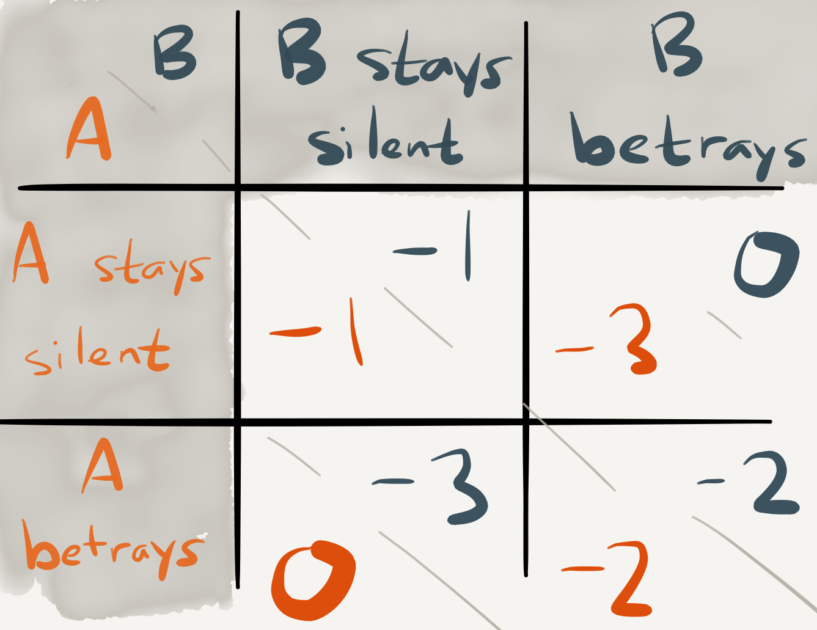
Benchmark’s lawsuit against Uber is extraordinary; that is because Uber, despite everything, remains an extraordinary company. Game theory explains the implications.
-
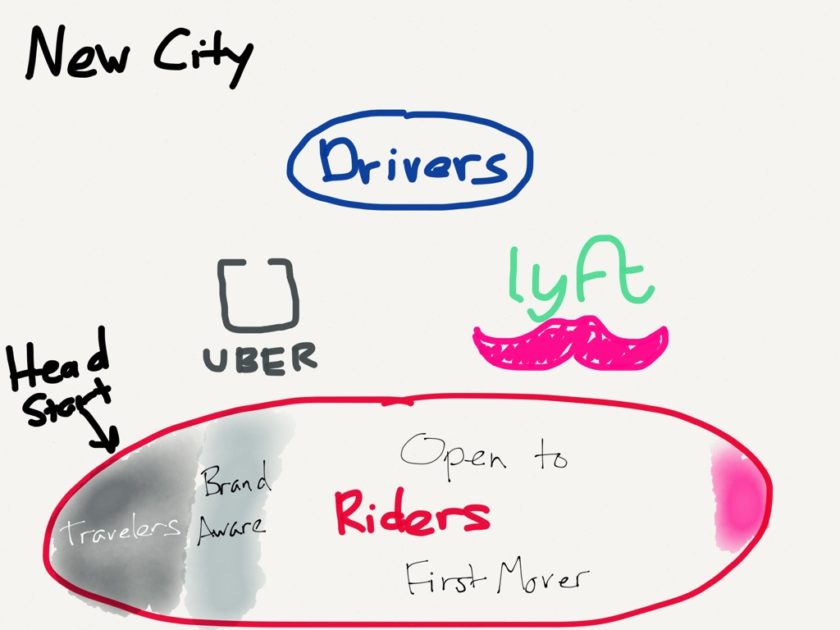
Ride-sharing is a winner-take-all market that depends on controlling demand more than it does supply.
-
Car Follow-up, The Apple Car, Uber’s Financials
Google’s vision for driverless cars fails to take into account the world as it is. and Apple’s car efforts likely have a market for the foreseeable future. Plus a look at Uber’s financials.
-
Cars and the Future
A massive revolution in cars seems right around the corner. However, I think it will take longer then most technologists think, but when it comes it will come quickly.
-
A Politics For Technology
Technology is changing the world, which means politics should change as well. There is a way forward that entails less regulation and a much bigger safety net.
-
The Anti-Uber Alliance, WeChat Blocks Uber, Tiger Capital Invests in Uber
Didi Kuaidi, Ola, GrabTaxi, and Lyft are teaming up against Uber. Most are focused on Lyft, but they’re the least interesting part of this deal. Meanwhile, why is anyone surprised that Tencent would compete “unfairly”, plus, Tiger Capital hedges its bets.
-
Fidelity Reprices Again, Uber Partners with Tom-Tom, Lyft Struggling
Fidelity repriced some startups again, and it really isn’t that big of a deal. Plus, why Here may not have been right for Uber, and the struggles of Lyft.
-
China O2O and Unit Economics; The Fallout — Or Not — Of a Chinese Internet Crash; Uber, Postmates, Shyp, Instacart
The Wall Street Journal says China’s O2O industry may be crashing, something that comes as little surprise to many observers. However, does that mean Silicon Valley should be worried? Plus, how to think about Uber, Postmates, Shyp, and Instacart
-
UberPool Follow-Up, Google Bans Interstitial App-Install Ads, Instagram Allows Multiple Photo Sizes
More on UberPool, including the inevitability of self-driving cars, Uber’s competitors, and whether or not Uber needs mass transit. Then, Google’s ban on interstitial app install ads may be a bit arbitrary, but does that matter? Plus a must-read article that ties Instagram’s photo sizes to Twitter’s 140 characters.
-
Uber 2.0: Human Self-Driving Cars
Uber 1.0 is a huge success, but it’s still basically a taxi service. We know the future is self-driving cars, but is there an intermediary step? What if Uber could do self-driving cars today?
-
Aggregation and the New Regulation
Because of the Internet realities described by Aggregation Theory a smaller number of companies hold an increasing amount of power. However, an increasing focus on market forces reduces the latitude for bad behavior, and the incentives — and means — to hold those companies to account are greater than ever.
-
German Automaker Consortium Buys Here Maps, Don’t Dismiss Apple MVNO Rumors
As expected a consortium of German automakers has acquired Here Maps. It’s hard to see this as anything other than defense of the status quo, particularly against Uber. What, though, will the latter do now? Then, the usual skepticism surround rumors that Apple will launch an MVNO. However, I think that Apple has more leverage than…