

Commoditizing Suppliers
Aggregators, by virtue of owning demand, gain power over suppliers which become modularized and commoditized.
-
The Moat Map describes the correlation between the degree of supplier differentiation and the externalization (or internalization) of a company’s network effect.
-
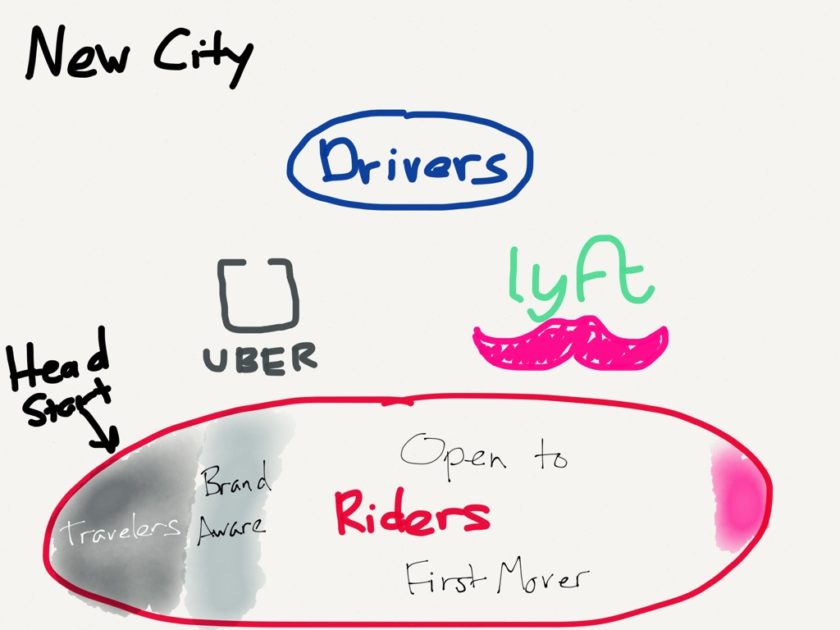
Ride-sharing is a winner-take-all market that depends on controlling demand more than it does supply.
-
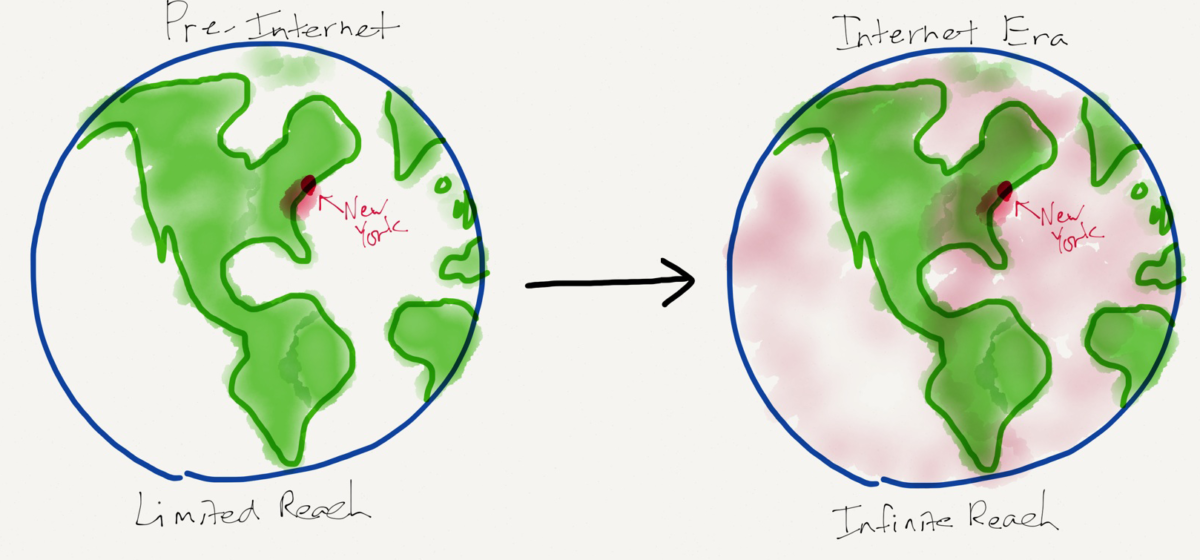
Publishers are trying to threaten Google again, apparently unaware that because of the Internet they have no power: that flows to the platforms that control discovery.

-
Spotify, Netflix, and Aggregation
The original definition of Aggregation Theory emphasized the importance of commoditized supply; that makes Spotify more of an Aggregator than Netflix
-
An Interview With Babylist Founder and CEO Natalie Gordon
An interview with Babylist founder and CEO Natalie Gordon about Babylist’s founding, her growing ambition, and why the company is a shining example of Aggregation Theory in action.
-
Substack Launches App, Substack and the Four Bens, In-App Purchase and the Substack Bundle
Substack launched an app, which isn’t a surprise given their VC model, but which portends change all the same.
-
Distribution and Demand
Distribution on the Internet is free; what matters is controlling demand. AT&T and Verizon didn’t understand the distinction.
-
The FTC’s Google Documents, The Staff Memo, The Economists Memo
Revisiting the FTC’s decision in 2013 makes me doubtful that a case would have made much of a difference.
-
More from Daniel Ek; Creation, Consumption, and Clubhouse; Facebook and Australia, Continued
-
Spotify Stream On, Spotify’s Advertising Play, Additional Notes on Stream On
Spotify’s Stream On event advertised Spotify’s ambitions to become an Aggregator. The plans were impressive, but should Spotify go even further?