

Aggregation Theory
Aggregation Theory provides a framework to understand the impact of the Internet on nearly all industries.
-
Zillow fits the description of an aggregator, but it hasn’t transformed its industry due to a lack of integration. Now it is trying to do exactly that.
-
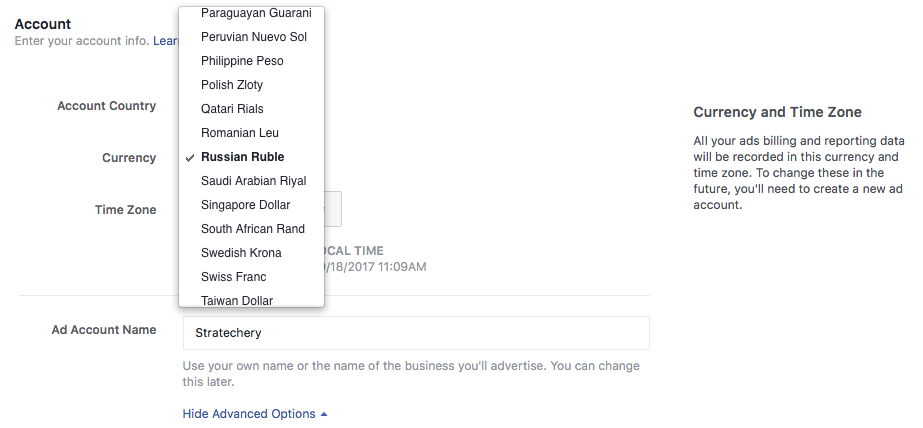
Facebook is in trouble — again — for Russian ads about the election; figuring out how to deal with them requires first understanding that Facebook, like Google, is a Super-Aggregator. It faces zero transaction costs…
-
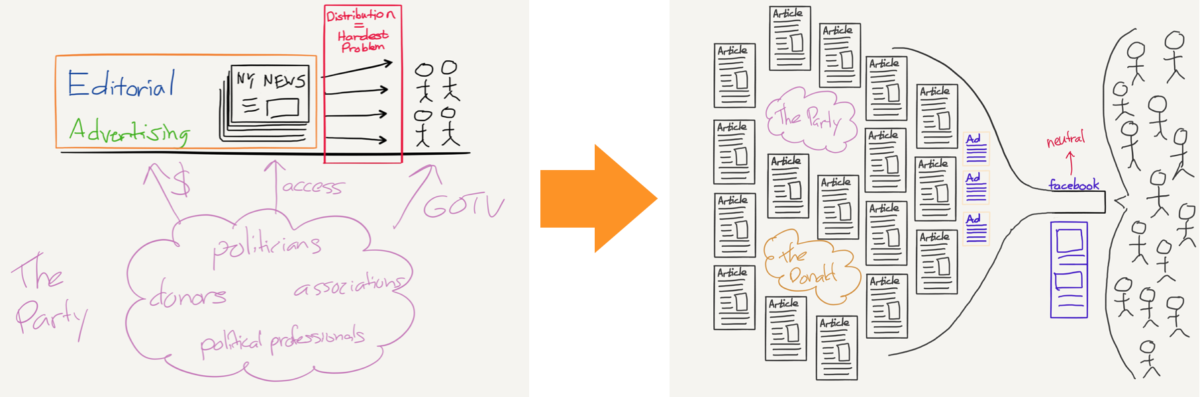
An apolitical analysis of what is happening in U.S. politics through the lens of Aggregation Theory
-
The FANG companies — Facebook, Amazon, Netflix, and Google — are far more similar than you might think. Their rise in value is no accident, and it is connected to Aggregation Theory.
-
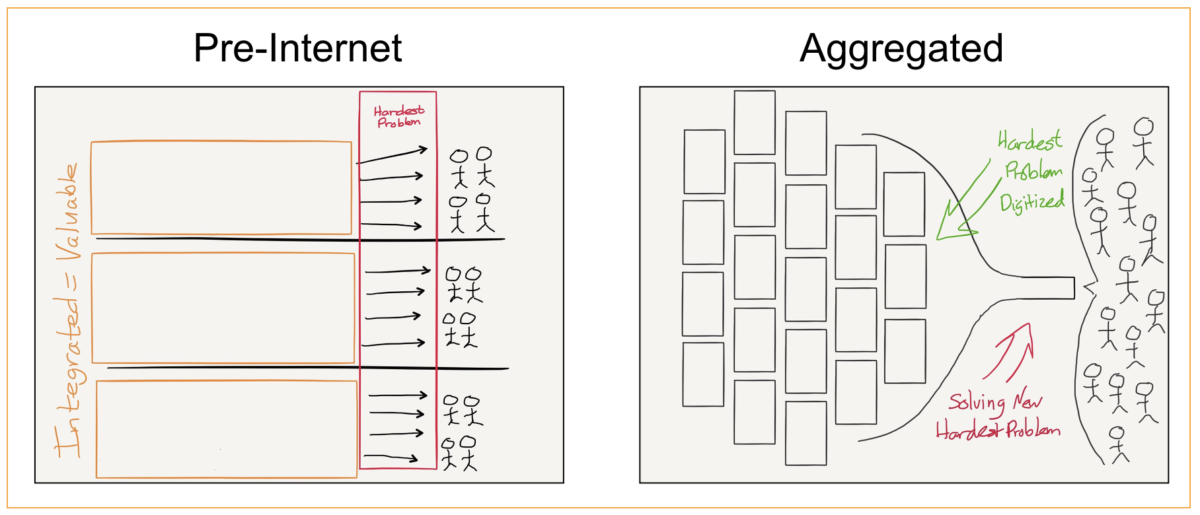
The disruption caused by the Internet in industry after industry has a common theoretical basis described by Aggregation Theory.

-
Netflix Flexes
Netflix is an Aggregator, with a value chain that lets it drive demand, raise prices, and dismiss competition.
-
Distinguishing Regulation, Is the Internet Different?, Reasons for Skepticism
Follow-up on The State of Technology in 2018: the different types of regulation, whether or not the Internet is different, and why consumer tech companies may be weaker than they seem.
-
The State of Technology at the End of 2018
The State of Technology, at least in the enterprise space, is strong; consumer tech is another story, and it is time to question the dominance of big companies like Google.
-
More on Scooters; Airbnb and Hotels; Netflix, AT&T, and Friends
Succeeding in scooters may require vertical integration, why Airbnb should go deeper into hotels, and why AT&T is making a mistake with Friends (or are they)
-
Apple App Store Follow-up, AWS ARM Servers, Intel’s Choice
More on Apple’s App Store monopoly, including why it’s different from Google and Steam, and far more egregious than other digital platforms. Then, Amazon announced ARM chips for AWS: what changed, and what does this mean for Intel.
-
Antitrust, the App Store, and Apple
Apple’s case before the Supreme Court is about standing; Apple has a strong case. That, though, doesn’t mean the App Store isn’t a monopoly — and that Apple isn’t increasingly predicated on rent-seeking.
-
Amazon’s Reported RSN Bid, The Future of Sports Rights, Apple in the Supreme Court
Amazon probably isn’t buying 22 RSNs; sports rights don’t really make sense for streaming services. Then, Apple is in the Supreme Court in a case that is hugely important for the entire tech industry.
-
Spotify Earnings; Spotify, Supply, and Acquiring Marginal Customers; Spotify’s Research and Development
Spotify’s earnings point to a disturbing trend of the company needing to spend to acquire marginal customers; this makes sense because the company does not have power over supply