

Disruption
Disruption is still explanatory, but the Internet has changed a lot.
-
Dollar Shave Club is a textbook example of how the new Internet economy will destroy value in incumbent industries.
-
Clayton Christensen claims that Uber is not disruptive, and he’s exactly right. In fact, disruption theory often doesn’t make sense when it comes to understanding how companies succeed in the age of the Internet.
-
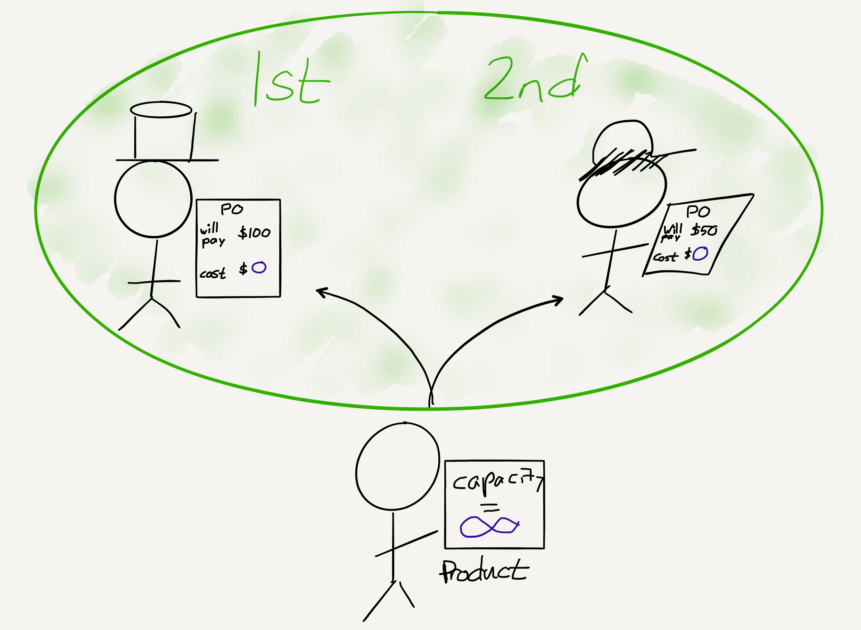
Not all products are disruptive: some are obsoletive. They are more expensive but remove the need for entire categories of products.

-
Paradigm Shifts and the Winner’s Curse
When paradigms change, previous winners have the hardest time adjusting; that is why AI might be a challenge for Apple and Amazon
-
An Interview with Dan Kim and Hassan Khan About CHIPS
An interview with Dan Kim and Hassan Khan about their work distributing CHIPS program money, and why they are optimistic about U.S. industrial policy going forward.
-
American Disruption
A new take on Trump’s tariffs, including using a disruption lens to understand the U.S.’s manufacturing problem, and why a better plan would leverage demand, not kill it.
-
Rapidus, The End of Economic Rationality, AI Disruption
Rapidus, Japan’s new foundry on the leading edge, doesn’t make economic sense; it is one of many examples in that regard, as the world enters a new age of uncertainty and AI.
-
An Interview with Ben Bajarin About Smartphones, AI, and Intel
An interview with Ben Bajarin about AI’s impact on the smartphone market, including the differing strategies between Apple and Google. Then, a long discussion about what to do about Intel.