

Cloud Computing
-
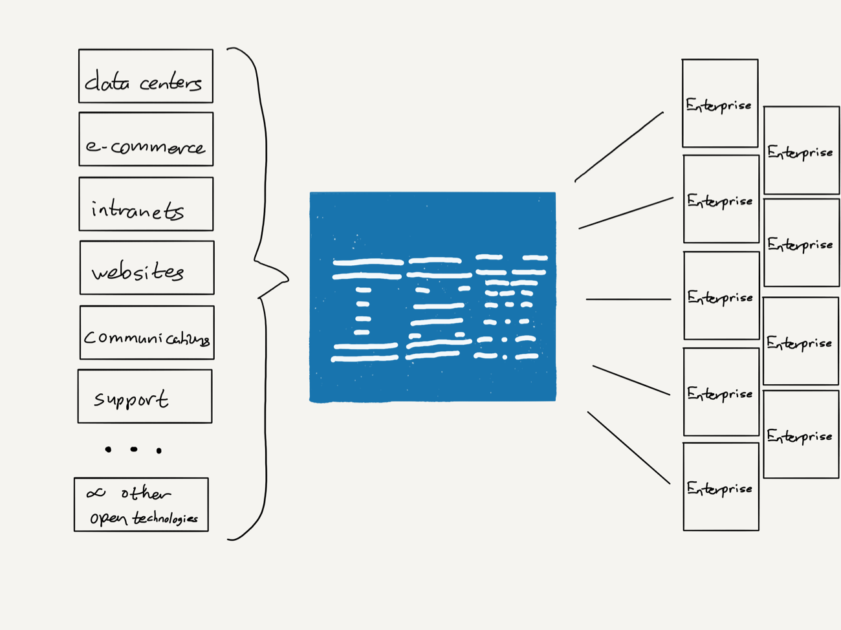
IBM has bought Red Hat in an attempt to recreate its success in the 90s; it’s not clear, though, that the company or the market is the same.
-
AWS seems to have a dominant position in enterprise computing, but Google is trying to change the rules to favor their inherent strengths.
-
Larry Ellison has declared that Oracle is a cloud company, but their customer offering seems more suited to the world that was.
-
Microsoft Earnings, Microsoft Advertising, The Deflating Balloon
Microsoft had great earnings, but had to reassure investors all the same. Plus, new advertising efforts, and why shrinking private valuations help Redmond.
-
Cloudflare’s Disruption
Cloudflare’s new storage offering is potentially disruptive both economically and strategically.
-
An Interview with Brad Stone about Amazon Unbound
An interview with Brad Stone about his new book about Amazon, how the company has changed, and his outlook for a post-Bezos future.
-
AWS CloudFront Functions, AWS’s Data Residency Whitepaper, Muddles and Mirages
AWS’s responses to Cloudflare are still predicated on an assumption of centralizaion; the truth is in the middle, and the status quo is powerful.
-
Cloudflare on the Edge
Cloudflare is uniquely positioned to become a major player in an Internet 3.0 world, where politics matter more than economics.
-
Google Earnings, Google’s Response to ATT, Google Cloud Losses
Google’s earnings were impressive, but the company should disclose even more. Meanwhile, the problem with following Apple’s lead on ATT is it’s anticompetitive.