

Payments
-
Apple attracts loyal customers through a superior user experience and leverages those customers against its partners.
-
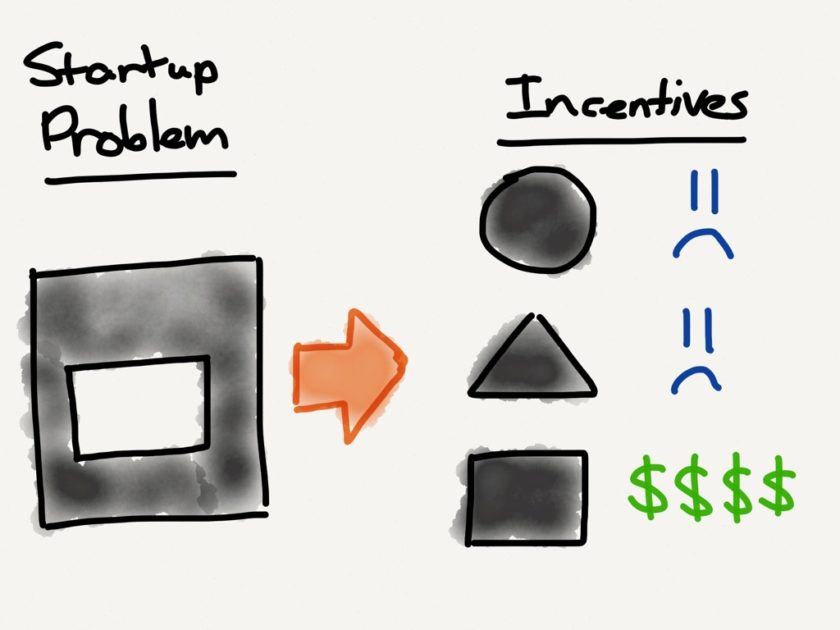
By winning on the web, PayPal was actually disadvantaged when it came to competing in mobile, because its incentives were already shaped by a different problem.
-
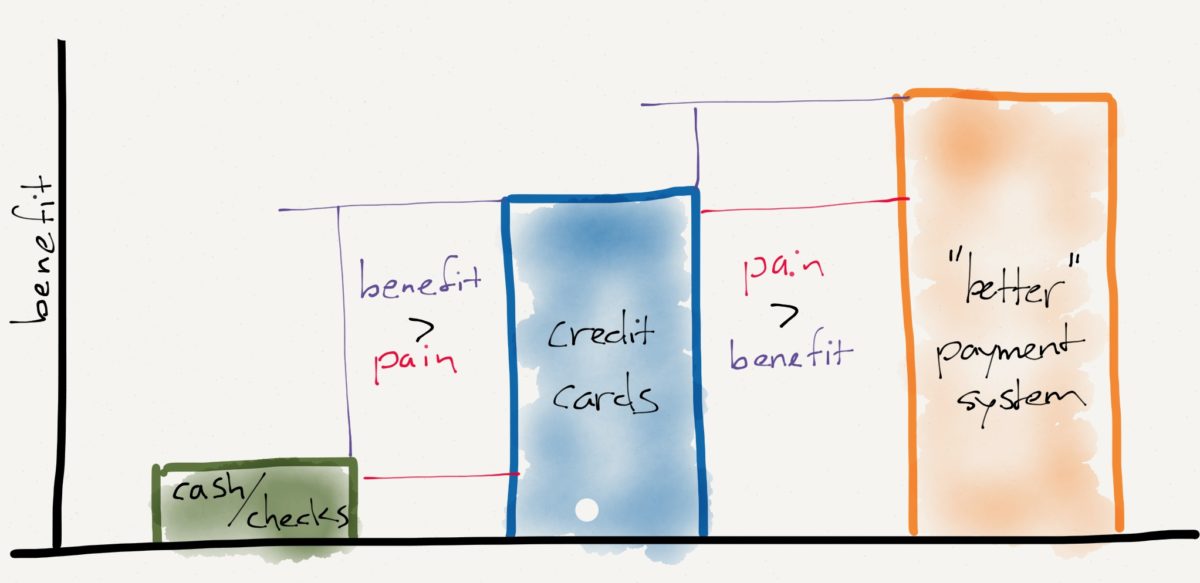
Payments are one of the eternal tech rainbows,1 enticing startups and established companies alike with the promise of priceless data and incredible volumes. Many who dive in, though, like Google with Wallet, find it’s incredibly…

-
Amazon One, How Amazon One Works, Good or Bad Idea?
Amazon announces Amazon One: how does it work, and is the underlying technology a good idea?
-
Hey v Apple Follow-Up, Shopify and Walmart, Three Follow-Ups
Apple’s likely next steps, encouraging moves from Shopify, and quick thoughts on the EU versus Apple, Section 230, and Zoom and encryption
-
Platforms in an Aggregator World
Facebook Shops are good for Shopify merchants, but bad for Shopify; the answer is to push more into the real world.
-
Visa/Plaid Follow-Up; Apple v FBI, Round 2; 2020 Differences
More on Visa/Plaid, including why payments in the U.S. and China are so different. Then, Apple is facing off against the FBI again, but its position is both stronger technologically and weaker politically.
-
Visa, Plaid, Networks, and Jobs
The history of credit cards helps explain why Plaid is valuable to Visa, and how Visa can make it significantly better.
-
PayPal Acquires Honey, What Honey Is, PayPal’s Play
PayPal bought Honey, which is best known as a browser extension. What does this mean for both end users and merchants, and which is more important?
-
Integration and Monopoly
Apple has won through integration, but integration combined with network effects and economies of scale can result in bad outcomes that look a lot like monopolies.