

Publishing
-
The newspaper industry is seeking an antitrust provision to negotiate for a return to a world that is gone and never coming back; worse, it is an approach that could ruin publishing’s true future.
-
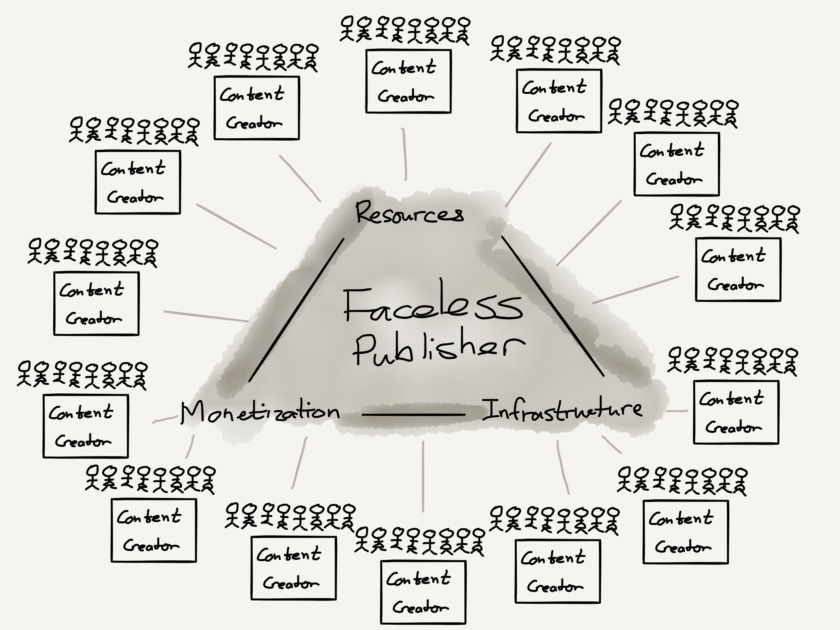
The missing piece when it comes to the future of media are faceless publishers. Vox Media’s deal with The Ringer shows the way.
-
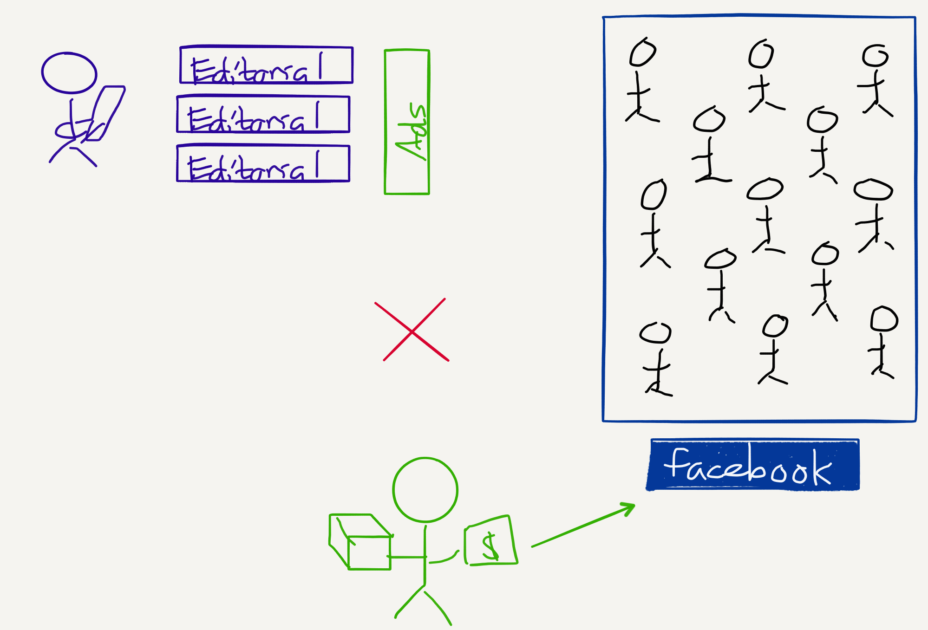
For years publishers haven’t had to worry about business models: they just captured attention and watched the money come in. Those days, though, are over: the publications that survive will start with business models and…
-
The IT Era and the Internet Revolution
The history of technology is of two distinct eras: information technology enhanced existing business. The Internet revolution is destroying them.
-
How the Snap Spectacles Story Broke, Facebook Overestimated Video Metric
The botched rollout of the Wall Street Journal’s Snap Spectacles story shows how media companies have to be more disciplined in their approach. Plus, why there’s no way Facebook screwed up its metrics on purpose.
-
BuzzFeed Reorganizes, WhatsApp Eases Privacy Rules
BuzzFeed reorganizes and thus reemphasizes their new business model. Unfortunately, it’s a business model that doesn’t necessarily need news. Then, WhatsApp predictably eases their privacy policy, their CEO’s previous declarations notwithstanding.
-
The Future of Podcasting
Podcasting is stuck between the open model of the past and the push for monetization in the future. Might there be a third way that actually benefits publishers?
-
Jeff Bezos at the Code Conference, Recent Amazon News
Jeff Bezos gave a great interview at the Code Conference, and while the whole thing is worth watching, I wanted to highlight a few items that touched on Stratechery topics. Plus, three recent Amazon stories that show how the company is winning.
-
Disrupting Basketball, Thiel-Gawker Follow-up, Intel and ARM
The Golden State Warriors are kinda sorta disrupting basketball, and making plenty of enemies in the process, which segues to a follow-up on Peter Thiel and Gawker. Then, Intel and ARM have dueling releases that show just how different they are.
-
Peter Thiel, Comic Book Hero
What Gawker did to Peter Thiel is inexcusable, but Thiel’s response is threatening to the industry that made him rich in the first place.