

Aggregation Theory
Aggregation Theory provides a framework to understand the impact of the Internet on nearly all industries.
-
Zillow fits the description of an aggregator, but it hasn’t transformed its industry due to a lack of integration. Now it is trying to do exactly that.
-
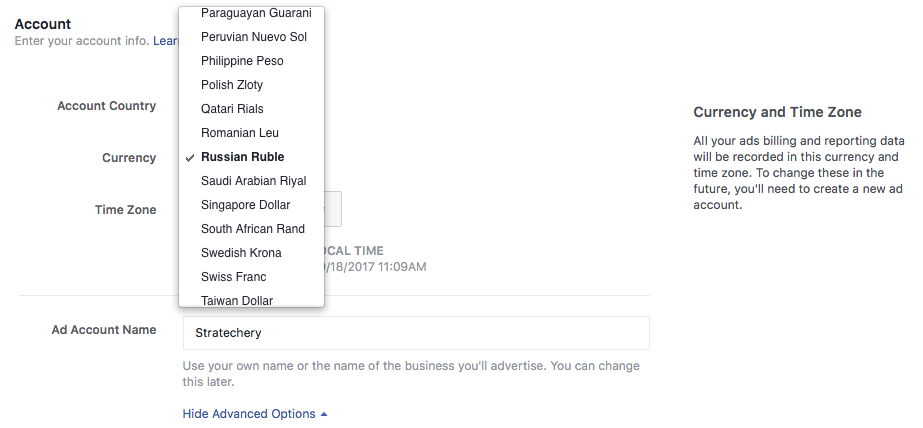
Facebook is in trouble — again — for Russian ads about the election; figuring out how to deal with them requires first understanding that Facebook, like Google, is a Super-Aggregator. It faces zero transaction costs…
-
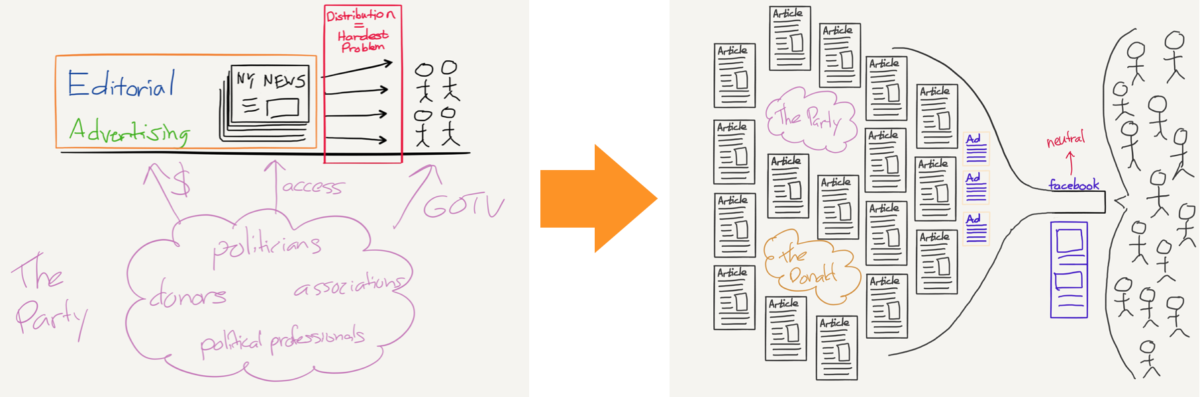
An apolitical analysis of what is happening in U.S. politics through the lens of Aggregation Theory
-
The FANG companies — Facebook, Amazon, Netflix, and Google — are far more similar than you might think. Their rise in value is no accident, and it is connected to Aggregation Theory.
-
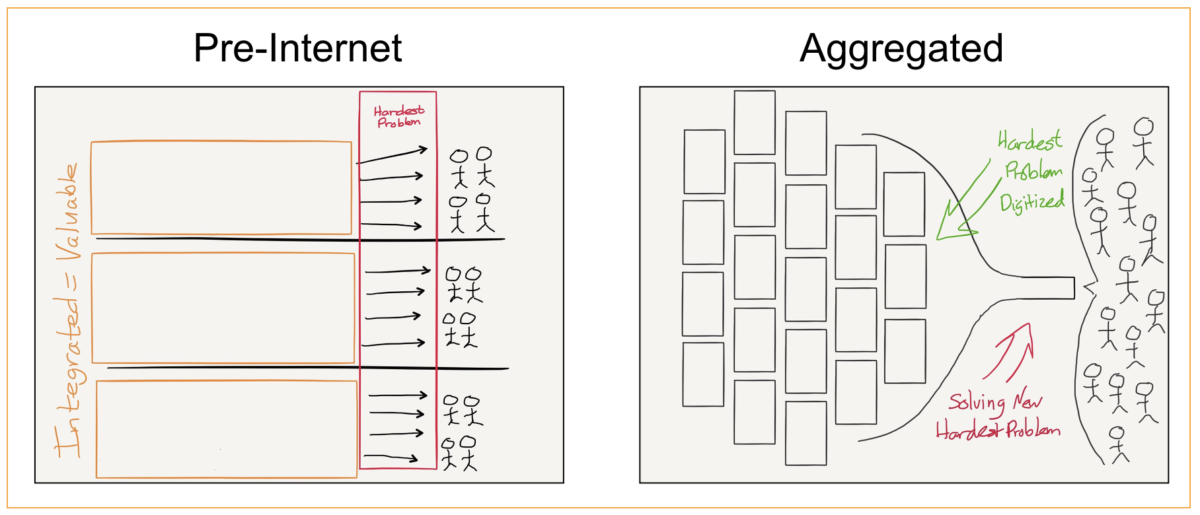
The disruption caused by the Internet in industry after industry has a common theoretical basis described by Aggregation Theory.

-
More on Visa-Plaid, European Commission v. Amazon, Spotify Updates
Should regulators be able to see the future, and a reminder that Aggregators are good for customers and suppliers. Then, Spotify starts selling demand, and potentially podcasts.
-
Justice Department Sues to Block Visa Plaid Acquisition, Plaid’s Potential, Scalability and Antitrust
The Justice Department gets it right again with another lawsuit, this time against Visa’s acquisition of Plaid.
-
Is the Internet Different?
A response to a critique of Aggregation Theory, and a defense of debate on an Internet devoid of gatekeepers.
-
United States v. Google
The Justice Department’s lawsuit against Google is appropriately narrow, and if it fails it gives a template for Congressional action.
-
Disney and Integrators Versus Aggregators
Disney’s reorganization reinforces their integrated strategy; there is a lot to learn for anyone competing with Aggregators.
-
Anti-Monopoly vs. Antitrust
What matters about the Congressional report on tech and antitrust is that it exists, not the specific details.
-
2020 Bundles
The state of bundles in 2020: Netflix, Disney, Amazon, Microsoft, and Apple. Plus, Microsoft’s purchase of ZeniMax.