

Aggregation Theory
Aggregation Theory provides a framework to understand the impact of the Internet on nearly all industries.
-
Zillow fits the description of an aggregator, but it hasn’t transformed its industry due to a lack of integration. Now it is trying to do exactly that.
-
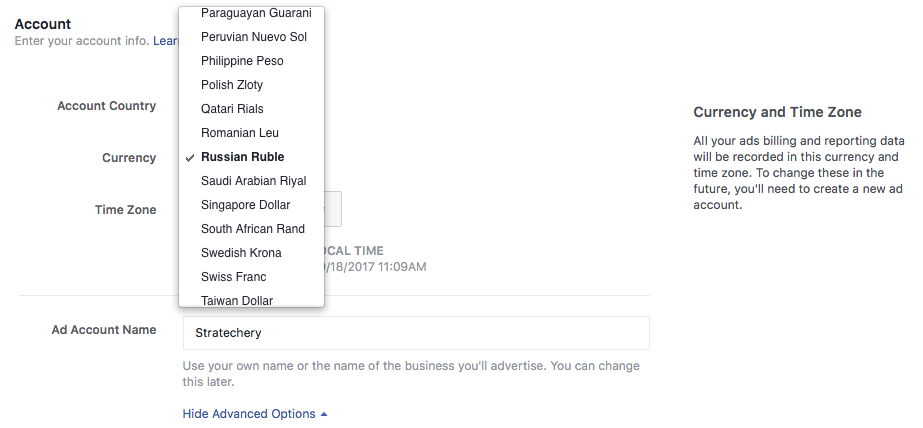
Facebook is in trouble — again — for Russian ads about the election; figuring out how to deal with them requires first understanding that Facebook, like Google, is a Super-Aggregator. It faces zero transaction costs…
-
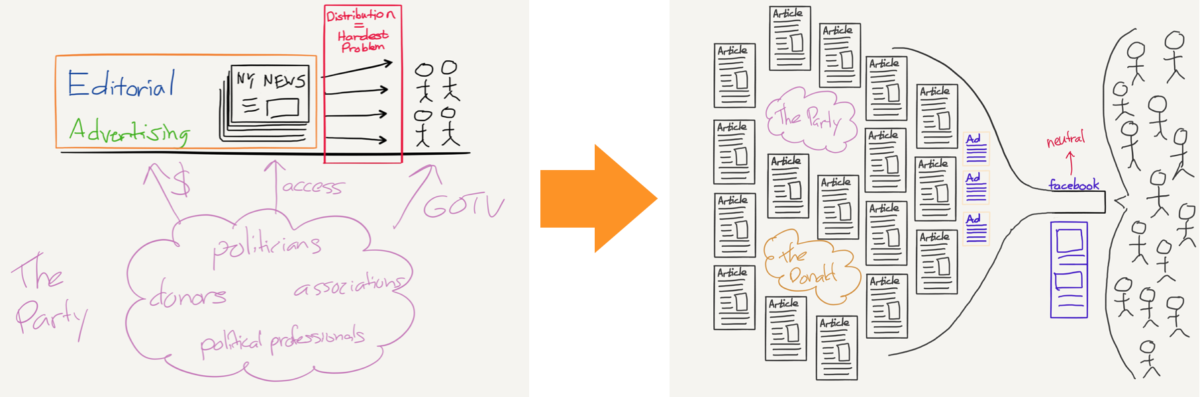
An apolitical analysis of what is happening in U.S. politics through the lens of Aggregation Theory
-
The FANG companies — Facebook, Amazon, Netflix, and Google — are far more similar than you might think. Their rise in value is no accident, and it is connected to Aggregation Theory.
-
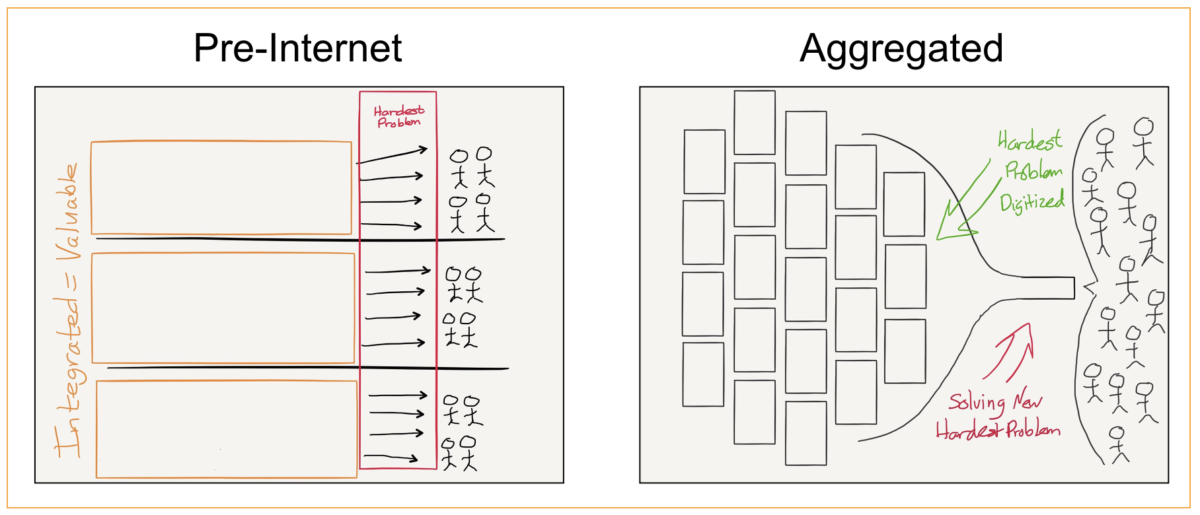
The disruption caused by the Internet in industry after industry has a common theoretical basis described by Aggregation Theory.

-
More Spotify; Spotify, Uber, and Airbnb; Uber, Waymo, and SoftBank
A bit more on Spotify, and then the lessons to be learned by Uber and Spotify. Plus, a potential Uber-Waymo partnership, and why they company will likely sell-out in Southeast Asia.
-
Could Spotify Be Netflix?, Calculating Spotify’s LTV and CAC
Spotify is in a much weaker position that Netflix was, because it could not build up a user base before negotiating with its suppliers. However, the company does seem to be acquiring customers efficiently.
-
Lessons From Spotify
Spotify has a marginal cost problem, but while the cause is unique to Spotify, the challenges are more applicable than it seems.
-
The Aggregator Paradox
Google is winning with AMP and blocking ads in Chrome: both seem bad, but aren’t they actually good for consumers? That is the paradox of aggregation.
-
Shipping With Amazon, FBA Onsite, Uber and Waymo Settle
Amazon is unsurprisingly moving into logistics. It is another announcement, though, that explains the orthogonal way they are doing so. Then, Uber and Waymo settle in a win-win.
-
Amazon Health
Amazon Health doesn’t seem like much now, but there are hints it could be the ultimate application of Aggregation Theory.
-
Fixing the Conclusion, Licensing Amazon Go and Self-Checkout, Netflix Earnings
Fixing the conclusion of Amazon Go and the Future, and why I don’t think Amazon Go’s technology is a primitive. Then, Netflix continues to be an aggregator, and other notes from the company’s earnings.
-
Amazon Go and the Future
Amazon Go exemplifies how Amazon is building its monopoly in three ways: horizontally, vertically, and financially. Plus, why automation is worth being optimistic about.