

Platforms
-
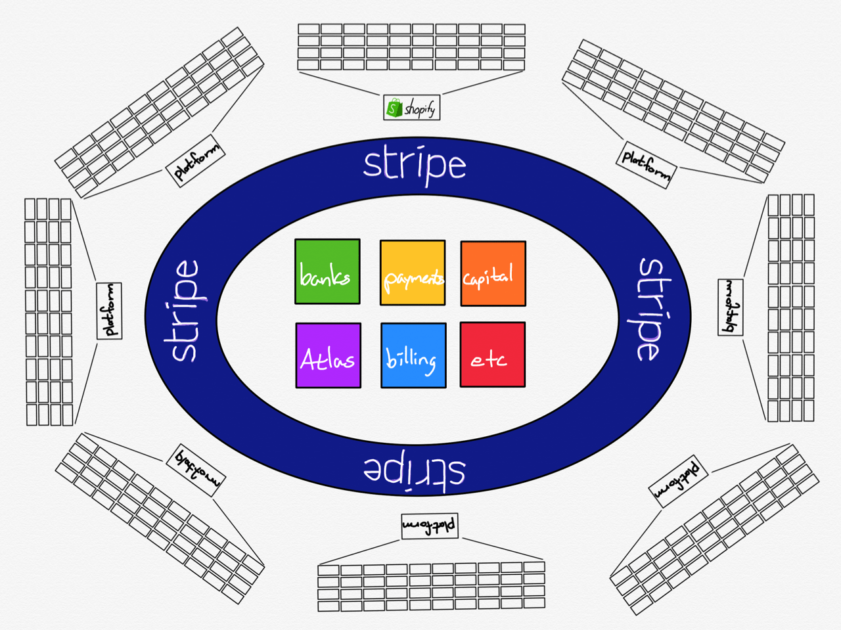
Stripe’s announcement of Treasury — banking-as-a-service — manifests the breadth of the company’s ambition.
-
Oculus Founder Leaves, Oculus’ Products, Facebook and Oculus’ Inevitable Conflict
A quick update on the Bloomberg chip story, then another founder whose company was acquired is leaving Facebook. This may be a smoother exit on the surface, but the conflicts are likely more substantive.
-
The Cost of Developers
Microsoft paid a lot for GitHub, because it had to pay directly for access to developers. It doesn’t have the leverage of users the way that Apple does on the App Store.
-
The Bill Gates Line
Understanding the differences between aggregators and platforms matters for companies interacting with them and also regulators considering antitrust.
-
Sports Gambling Defederalized, Amazon Channels
Sports gambling is defederalized, and the opportunity is likely larger than people think: then, Amazon Channels is another manifestation of the company’s “first customer” strategy.
-
Platforms Versus Aggregators, What About Amazon?, Walmart Buys Flipkart
Tech’s two philosophies are also about the difference between platforms and aggregators, but even that has its own divisions. Amazon falls on both sides of the divide. Plus, why Walmart’s Flipkart purchase makes no sense.
-
Tech’s Two Philosophies
Google and Facebook represent one philosophy, and Microsoft and Apple represent another; tech needs both, but ultimately platforms are more important than aggregators.