

Antitrust
The endgame for Aggregation Theory is inevitably antitrust.
-
The Justice Department’s lawsuit against Google is appropriately narrow, and if it fails it gives a template for Congressional action.
-
Analyzing the politics of the antitrust hearing featuring the CEOs of Apple, Amazon, Google, and Facebook.
-
Understanding the differences between platforms and Aggregators is critical when it comes to considering regulation.
-
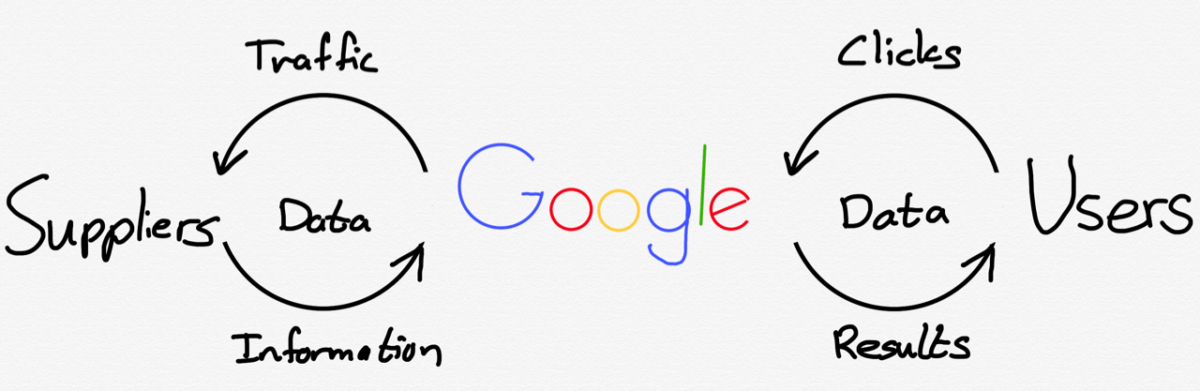
The European Commission’s antitrust case against Google is likely to be the first of many against aggregators, because the end game of Aggregation Theory is monopoly.

-
Amazon’s Reported RSN Bid, The Future of Sports Rights, Apple in the Supreme Court
Amazon probably isn’t buying 22 RSNs; sports rights don’t really make sense for streaming services. Then, Apple is in the Supreme Court in a case that is hugely important for the entire tech industry.
-
Data Factories Follow-Up, Amazon’s Pay Raise, Amazon Makes Hay
Follow-up to Data Factories, then Amazon’s pay raise, which is of course good for workers and also, unsurprisingly, good for Amazon.
-
New Alexa Devices, Amazon and the EU Commission
Why is Amazon selling more Alexa devices? More broadly, do the company’s house brands leave it susceptible to an antitrust challenge?
-
The European Commission Versus Android
Examining the history of Android explains why the European Commission may be right to fine Google for its actions around Android, even as the reasoning feels off.
-
Apple’s Map Reset; CarPlay, Waze, and Google Maps; Disney Acquisition of 21st Century Fox Approved
Apple Maps is getting a reset; what is more encouraging is the company inviting competition. Then, Disney gets approval for its purchase of 21st Century Fox, and it raises questions about the entire process.
-
The Bill Gates Line
Understanding the differences between aggregators and platforms matters for companies interacting with them and also regulators considering antitrust.