

Antitrust
The endgame for Aggregation Theory is inevitably antitrust.
-
The Justice Department’s lawsuit against Google is appropriately narrow, and if it fails it gives a template for Congressional action.
-
Analyzing the politics of the antitrust hearing featuring the CEOs of Apple, Amazon, Google, and Facebook.
-
Understanding the differences between platforms and Aggregators is critical when it comes to considering regulation.
-
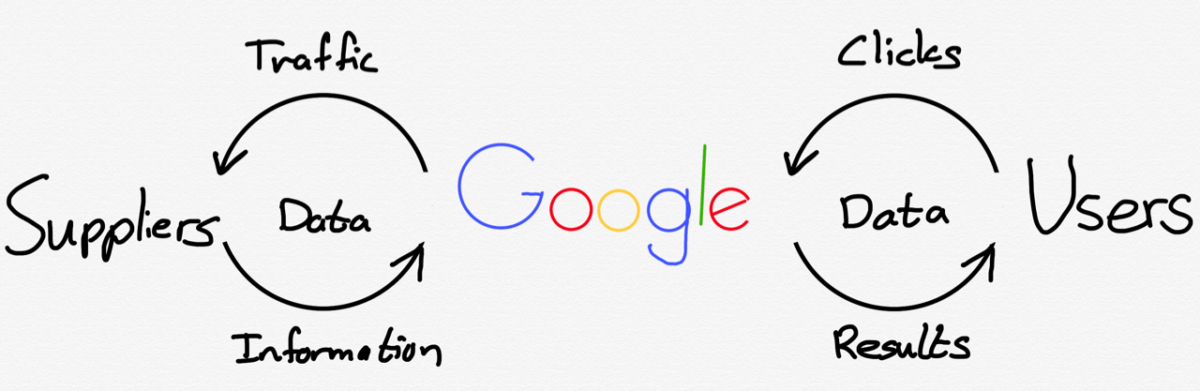
The European Commission’s antitrust case against Google is likely to be the first of many against aggregators, because the end game of Aggregation Theory is monopoly.

-
Microsoft Can Acquire Activision, The FTC vs. the Record, The FTC’s Failed Vendetta
Microsoft didn’t just win its case against the FTC: the totality of its victory calls into question the FTC’s legitimacy, and may lead to more acquisitions in the future.
-
EU Narrows Apple Case, Snap’s My AI
The European Commission closes on a ruling that makes sense for Apple’s App Store, and Snap launches their own OpenAI-powered chat bot
-
DOJ Sues Google, Google’s Advertising Aggregation, No Duty to Deal
The DOJ’s lawsuit against Google details a lot of anti-competitive behavior, but the underlying source of Google’s strength is Aggregation.
-
Consoles and Competition
Reviewing the history of video games explains why Sony is dominant today, and why Microsoft is actually introducing competition, not limiting it.
-
Spotify Earnings, Spotify Exclusives, Spotify vs. Apple
Spotify’s earnings were solid, although I am more skeptical of its podcast exclusive strategy than ever. Plus, Apple continues to act anti-competitively, this time in e-books.
-
Launch Follow-Up, Figma Feedback, More on Antitrust and Acquisitions
More details on yesterday’s launch, then a designer explains why Figma is different, and why Adobe has a good chance in court if it goes that far.