

Aggregation Theory
Aggregation Theory provides a framework to understand the impact of the Internet on nearly all industries.
-
Zillow fits the description of an aggregator, but it hasn’t transformed its industry due to a lack of integration. Now it is trying to do exactly that.
-
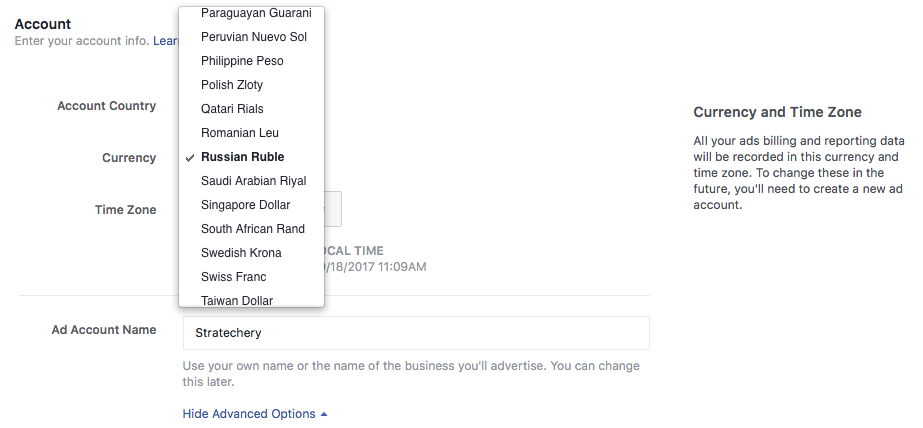
Facebook is in trouble — again — for Russian ads about the election; figuring out how to deal with them requires first understanding that Facebook, like Google, is a Super-Aggregator. It faces zero transaction costs…
-
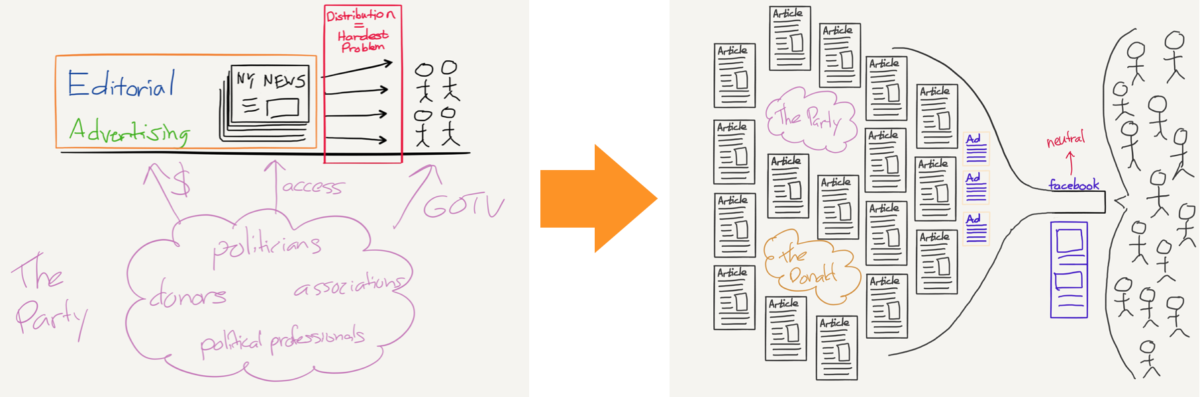
An apolitical analysis of what is happening in U.S. politics through the lens of Aggregation Theory
-
The FANG companies — Facebook, Amazon, Netflix, and Google — are far more similar than you might think. Their rise in value is no accident, and it is connected to Aggregation Theory.
-
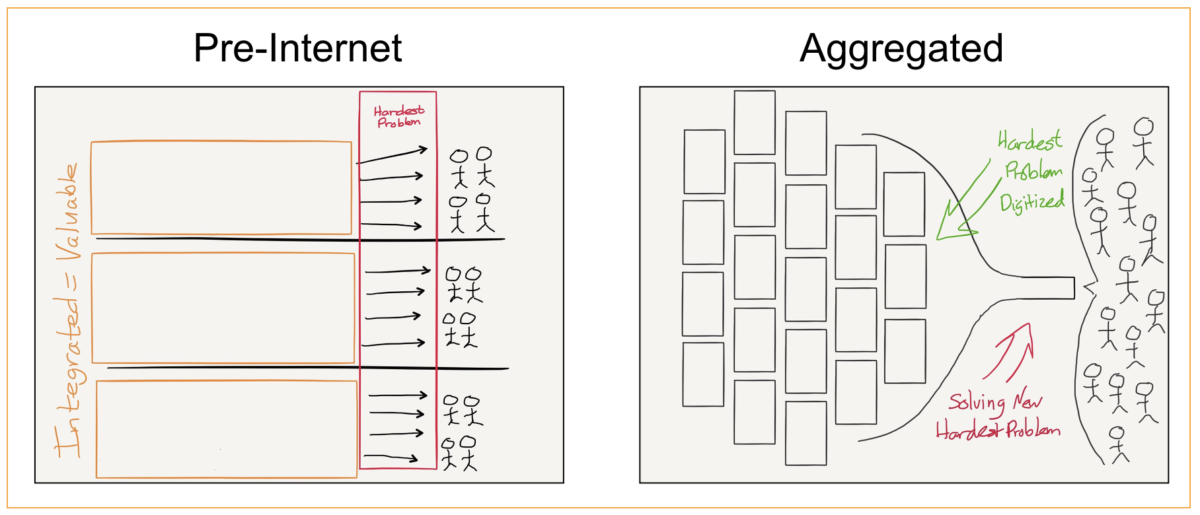
The disruption caused by the Internet in industry after industry has a common theoretical basis described by Aggregation Theory.

-
Daily Update: Samsung and Qualcomm, AOL: Stuck in the Middle, New York Times Reports Strong Results
-
Daily Update: Amazon and the Opportunity Cost of Losing Focus, Sling TV and The Interview Follow-up, Samsung’s Bad yet Good Earnings
-
Why Uber Fights
Ride-sharing is a winner-take-all market that depends on controlling demand more than it does supply.
-
Daily Update: The Content Creator Opportunity, Firefox’s “Strategic Choice”, Qualcomm to Build ARM Server Chips
-
Differentiation and Value Capture in the Internet Age
The implication of the Smiling Curve is not only that aggregators have increased economic power, but that differentiated suppliers do as well; Omni Software is an example.
-
Daily Update: Taylor Swift v Daniel Ek, What Swift Gets Right, The Problem with Spotify
-
How Apple Creates Leverage, and the Future of Apple Pay
Apple attracts loyal customers through a superior user experience and leverages those customers against its partners.
-
Publishers and the Smiling Curve
Publishers used to live at the point of integration. The value of that integration, though, is gone with the Internet, which means value flows to suppliers and aggregators.